
An anti-microbial flooring system is designed to help inhibit the growth of microorganisms on the flooring surface when the product incorporates an appropriate antimicrobial treatment. It should not be described as making a space completely “germ-free.” Common options include vinyl, PVC, rubber, and resin-based systems, with the right choice depending on traffic, cleaning requirements, moisture exposure, and the intended environment.
For Dubai and UAE interiors, sealed, low-maintenance surfaces can be particularly practical where frequent cleaning and moisture resistance are priorities. For example, LVT flooring solutions can provide water resistance, easy maintenance, and antibacterial features, while rubber floor mats are useful where grip, durability, and frequent cleaning are important.
When we are looking to have germ-free options for our inside when we have children in our home. We are looking to have such flooring that will be a durable option and resist the birth of microorganisms on the floor. There are many industries who already have faith in antibacterial flooring systems. They provide these antibacterial flooring to hospitals because these organizations have strict laws among other sectors like the food or medical business. There are many flooring types which have antibacterial agents. They include rubber flooring Vinyl flooring, PVC flooring etc.
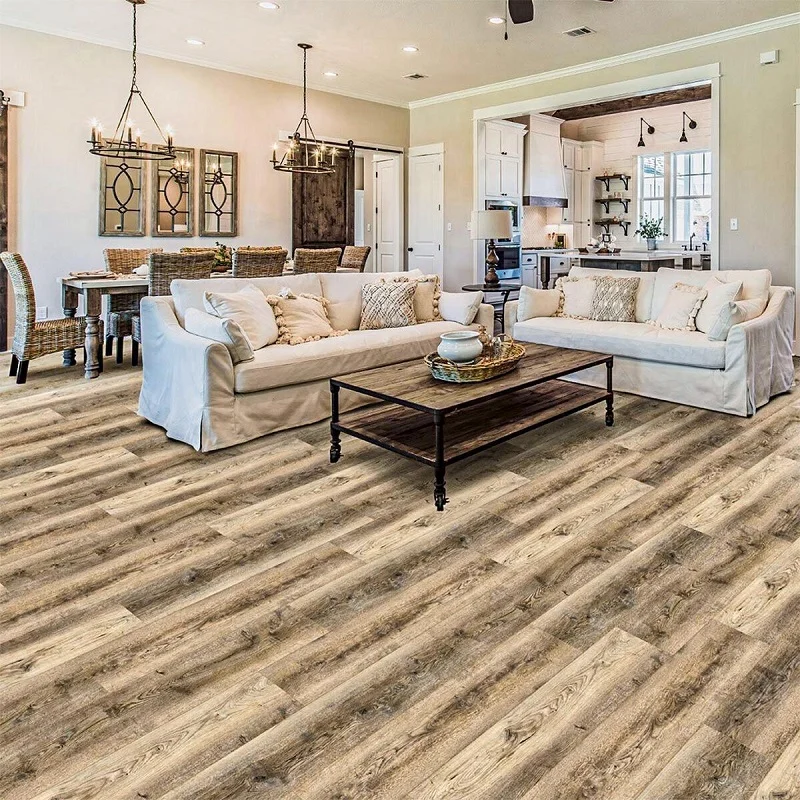
When we choose these flooring with antimicrobial agents that will be better protected than those flooring which are lined with medicine agents. These flooring type shields against things like microorganism, fungus, parasites, algae, bacteria, mildew, mold, protozoa, various Worms, viruses and yeast.
There are many types of antibacterial agents available that cover systems that one will use, it is often hard to understand which sort is the best to use for your state of affairs. For the help you can ask any expert company to be sure which goes best to your place. Some basic forms which are easily available are as follow:
- Cementitious ester
- Epoxy
- Polyaspartic
- Polyurethane
- Urethane
Uses of antibacterial flooring
There are many business owners and industries who need to possess microorganism or microorganism resistant flooring systems. These coatings are best used among the areas. For instances: they are best to install at airport Facilities, animal Care Facilities, animal analysis Facilities, assisted Living Facilities, boarding Kennels, cafeterias, clean rooms, clinics, cold Storage, commercial Kitchens, food process Plants, grocery Stores, health Clubs, hospitals, jails, kitchens, laboratories, laundromats, locker & Shower Rooms, medical Facilities, office areas, pharmaceutical Facilities, research Facilities, restaurants, restrooms, schools, shelters, showrooms, stores, walk-in Freezers and wastewater Treatment Plants
Benefits of antibacterial flooring
As you’ll be able to see, there are several places and facilities that antibacterial flooring systems are often used at. These extraordinary coatings are unit helpful in other ways that are also additionally antibacterial flooring and provide the benefits. Such as:
- Durable: this type of flooring always serves durability
- Easy to wash: this flooring type is easy to take care that is easy washable than others
- Easy to put in: installation of this flooring is easy compared to others
- Harmless to Animals: this antibacterial flooring do not harm animals
- Long Lasting: when it is about longevity, they are best to install
Moreover, this flooring has low to No VOC Emissions, they are non-allergenic with no transfer of odors. They are aesthetically pleasing, skin-resistant, water Resistant, resistant to Severe Chemical Corrosives and able to withstand significant instrumentation. This type of flooring is approved by the United States Department of Agriculture. They must install antibacterial flooring to deliver healthy food to people and keep the environment germ free.
How Antimicrobial Floor Covering Supports Hygiene and Durability
The main value of antimicrobial floor covering is its combination of surface hygiene support, durability, and ease of maintenance. Depending on the material and formulation, these systems can provide resistance to moisture, staining, chemicals, and heavy foot traffic while making routine cleaning easier.
However, antimicrobial flooring does not replace regular cleaning or disinfection; its performance should be considered alongside the flooring’s wear resistance, slip characteristics, installation method, and maintenance requirements. In commercial or healthcare environments, specifications should also account for the cleaning chemicals and traffic levels the floor will encounter. Where a seamless, easy-to-clean surface is preferred, wall-to-wall carpet installation is a separate flooring option to evaluate based on the space’s hygiene, acoustic, and comfort requirements.
Antimicrobial Flooring Materials and Where They Work Best
Common antimicrobial flooring materials include vinyl, PVC, rubber, and resin-based coatings such as epoxy and polyurethane, but their suitability varies by application. Vinyl and LVT can work well where moisture resistance and straightforward cleaning are important; rubber is useful in areas where resilience, cushioning, and slip resistance matter; and resin systems can provide seamless, hard-wearing surfaces for demanding commercial environments.
Product specifications should be checked for the claimed antimicrobial treatment, chemical resistance, slip performance, fire classification, and cleaning requirements rather than assuming every product has the same properties. For specialist interiors, carpet fitting and installation can also be considered when carpet is more appropriate for comfort or acoustic performance.