
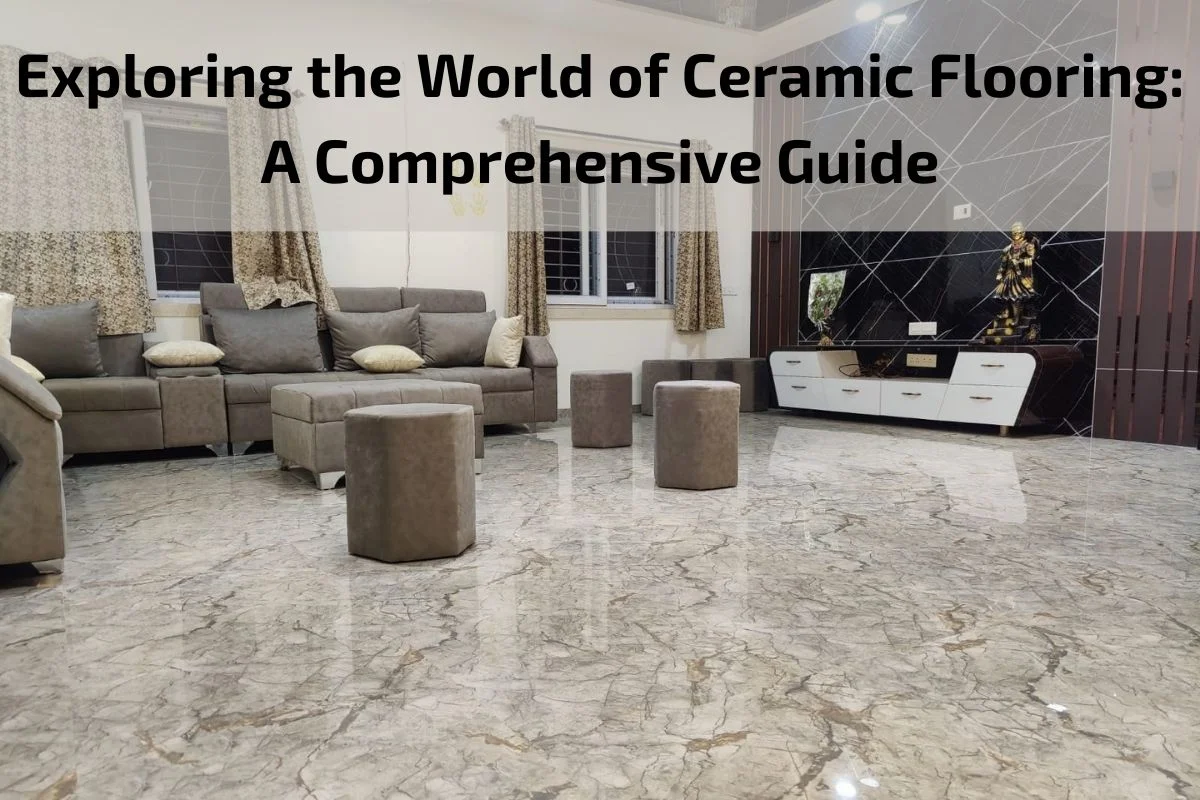
Imagine a floor that combines timeless beauty, remarkable durability, and endless design possibilities—all at an affordable price. Ceramic flooring has been a trusted choice for centuries, gracing homes and commercial spaces with its versatility and resilience. Made from natural clay fired at high temperatures, ceramic tiles resist stains, moisture, and wear, making them ideal for kitchens, bathrooms, entryways, and living areas. Available in countless colors, patterns, sizes, and finishes—from sleek polished porcelain to rustic unglazed terra cotta—ceramic flooring complements any interior style. Easy to clean and maintain, ceramic also offers hypoallergenic benefits. Whether you are renovating a single room or designing an entire home, this guide helps you explore the world of ceramic flooring.
Welcome to “Exploring the World of Ceramic Flooring: A Comprehensive Guide.” Ceramic flooring has long been a staple in homes and commercial spaces, offering a blend of durability, versatility, and aesthetic appeal. In this guide, we embark on a journey to uncover the intricacies of ceramic flooring, delving into its various types, installation processes, maintenance techniques, and design possibilities.
Ceramic flooring holds a special place in the realm of interior design, thanks to its wide array of colors, patterns, and textures. From sleek and contemporary to rustic and traditional, ceramic tiles can transform any space with their timeless charm and practicality. Whether you’re renovating your kitchen, bathroom, or living area, ceramic flooring provides a durable and stylish solution that stands the test of time.
Throughout this guide, we’ll explore the benefits and considerations of ceramic flooring, helping you make informed decisions for your next flooring project. We’ll discuss the advantages of ceramic tiles, from their resistance to stains and moisture to their ease of maintenance and cleaning. We’ll also delve into the different types of ceramic tiles available, including porcelain, glazed, and unglazed options, and how they can be best suited for various applications.
Brief overview of ceramic flooring
Ceramic flooring is a popular choice for both residential and commercial spaces due to its durability, versatility, and aesthetic appeal. It is made from clay that is molded, glazed, and fired at high temperatures to create durable tiles. Ceramic tiles come in various shapes, sizes, colors, and finishes, allowing for endless design possibilities.
One of the key benefits of ceramic flooring is its resilience to wear and tear, making it ideal for high-traffic areas such as kitchens, bathrooms, and entryways. Ceramic tiles are also resistant to stains, scratches, and moisture, making them easy to clean and maintain.
Moreover, ceramic flooring offers versatility in design, with options ranging from traditional to contemporary styles. Whether you prefer a sleek and modern look or a rustic and textured finish, there is a ceramic tile to suit every taste and design aesthetic.
Ceramic flooring is not only durable and practical but also environmentally friendly, as it is made from natural materials and can be recycled at the end of its lifespan. With its combination of beauty, durability, and sustainability, ceramic flooring continues to be a popular choice for homeowners and designers seeking timeless and practical flooring solutions.
Importance of Ceramic Flooring Choices in Interior Design
Ceramic flooring plays a pivotal role in interior design, serving as both a functional foundation and a design element that can significantly impact the overall aesthetics and ambiance of a space. Here are several reasons highlighting the importance of ceramic flooring choices in interior design:
Setting the Tone and Style: The choice of ceramic flooring sets the tone for the entire design scheme of a room. Whether aiming for a sleek, modern look with polished ceramic tiles or a rustic, traditional feel with textured ceramic planks, the flooring choice establishes the foundation upon which the rest of the design elements can be built.
Enhancing Visual Appeal: Ceramic flooring contributes to the visual appeal of a space by adding texture, color, and pattern. The right choice of ceramic tiles can complement existing furnishings, artwork, and architectural features, enhancing the overall aesthetic cohesion of the room.
Creating Visual Continuity: Consistent flooring throughout different areas of a home or commercial space creates visual continuity and a sense of flow. Ceramic flooring allows for seamless transitions between rooms, creating a cohesive and harmonious environment.
Making a Statement: Ceramic flooring offers endless design possibilities, allowing homeowners and designers to make a bold statement or express their unique style. From intricate mosaic patterns to large-format tiles with subtle textures, ceramic flooring can be used to create focal points and visual interest within a space.
Durability and Practicality: Beyond aesthetics, ceramic flooring is valued for its durability and practicality. It can withstand heavy foot traffic, resist scratches and stains, and endure exposure to moisture and temperature fluctuations. This makes ceramic flooring an ideal choice for high-traffic areas such as kitchens, bathrooms, and entryways.
Easy Maintenance and Longevity: Ceramic flooring is relatively easy to clean and maintain, requiring simple sweeping and occasional mopping to keep it looking its best. With proper care, ceramic tiles can maintain their beauty and
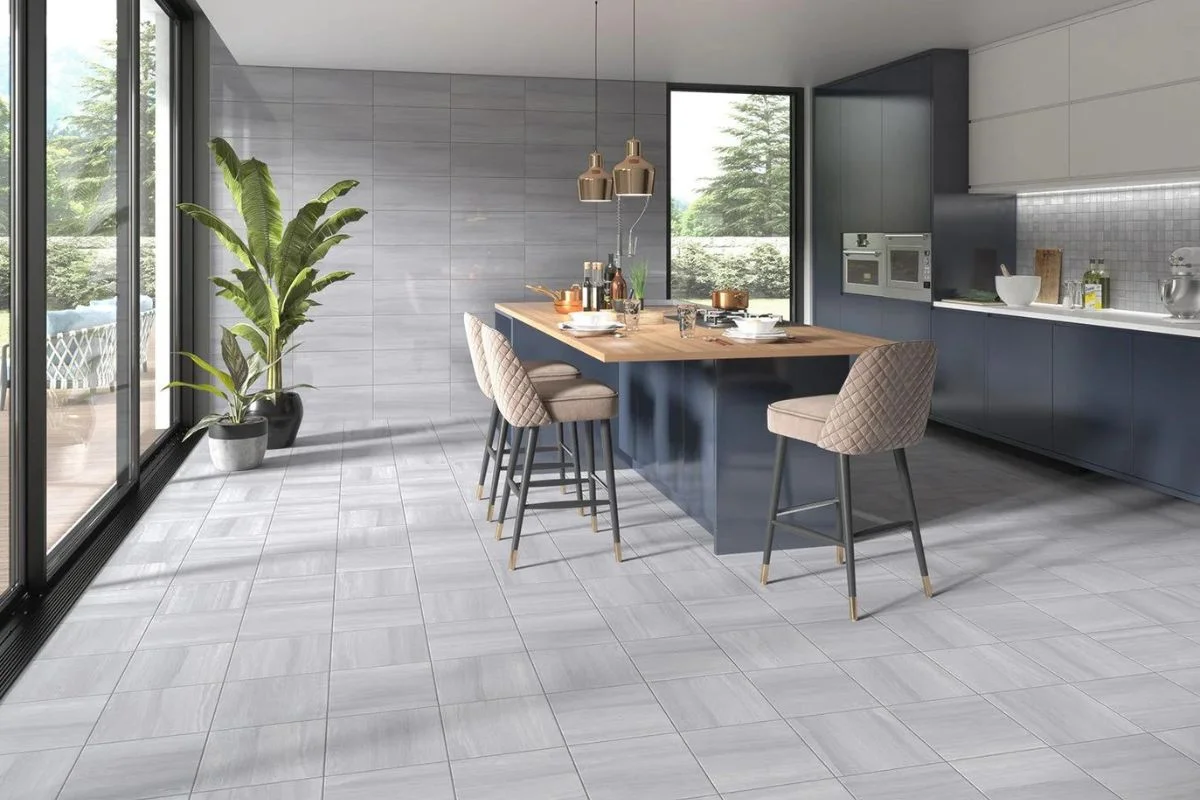
The Advantages and Disadvantages of Ceramic Flooring
Ceramic flooring offers a range of benefits but also comes with certain considerations. Understanding both its advantages and disadvantages is crucial for making informed decisions when selecting flooring options. Let’s explore:
Advantages:
Durability: Ceramic flooring is highly durable and resistant to wear and tear, making it suitable for high-traffic areas in both residential and commercial spaces.
Versatility: Available in a wide range of colors, patterns, sizes, and finishes, ceramic tiles offer versatility in design, allowing for endless creative possibilities to suit various interior styles and preferences.
Easy Maintenance: Ceramic tiles are relatively easy to clean and maintain, requiring simple sweeping, occasional mopping, and periodic sealing to preserve their appearance and integrity.
Water Resistance: Ceramic flooring is inherently water-resistant, making it ideal for use in moisture-prone areas such as bathrooms, kitchens, and laundry rooms.
Cost-Effectiveness: Compared to many other flooring options, ceramic tiles are often more affordable upfront, offering excellent value for money considering their durability and longevity.
Hypoallergenic: Ceramic flooring does not harbor dust, allergens, or mold, making it a hypoallergenic choice for individuals with respiratory sensitivities or allergies.
Disadvantages:
Hardness: While the durability of ceramic flooring is an advantage, its hardness can be uncomfortable to stand on for long periods, especially in areas where people spend a lot of time standing, such as kitchens.
Susceptibility to Cracks: Ceramic tiles can crack or chip if heavy objects are dropped on them or if the subfloor experiences significant movement or settling over time.
Coldness: Ceramic flooring tends to feel cold underfoot, especially in colder climates or during winter months. This can be mitigated by using area rugs or installing radiant heating systems beneath the tiles.
Installation Complexity: Proper installation of ceramic flooring requires skill and precision to ensure a level surface and secure bonding of the tiles. Improper installation can lead to issues such as uneven tiles, grout problems, and premature wear.
Grout Maintenance: The grout lines between ceramic tiles require regular cleaning and maintenance to prevent staining, discoloration, and mold growth. Failure to maintain grout properly can detract from the appearance of the flooring.
Types of Ceramic Flooring
Ceramic flooring offers a variety of options to suit different aesthetic preferences, functional requirements, and budget considerations. Here are the main types of ceramic flooring:
Porcelain Ceramic Tiles:
Porcelain ceramic tiles are made from refined clay and other natural materials, which are fired at high temperatures to create a dense and durable product.
Known for their strength and water resistance, porcelain tiles are suitable for both indoor and outdoor applications, including floors, walls, countertops, and patios.
Porcelain tiles come in a wide range of colors, patterns, and finishes, including matte, polished, textured, and wood-look options.
Glazed Ceramic Tiles:
Glazed ceramic tiles feature a protective layer of liquid glass applied to the surface of the tile before firing, resulting in a smooth and shiny finish.
Glazing allows for a wide variety of colors, patterns, and designs, making glazed ceramic tiles a popular choice for decorative applications in residential and commercial settings.
These tiles are ideal for interior walls, backsplashes, and accent features, but may not be as suitable for high-traffic flooring areas due to their relatively lower durability compared to porcelain tiles.
Unglazed Ceramic Tiles:
Unglazed ceramic tiles are made from natural clay materials without a protective glaze layer, resulting in a more natural and textured appearance.
These tiles are durable and slip-resistant, making them suitable for high-traffic areas such as commercial kitchens, entryways, and outdoor spaces.
Unglazed ceramic tiles are available in earthy tones and rustic finishes, making them a popular choice for rustic and industrial design themes.
Ceramic Mosaic Tiles:
Ceramic mosaic tiles consist of small individual pieces of ceramic arranged on a mesh backing or paper sheet.
Mosaic tiles come in various shapes, sizes, and colors, allowing for intricate patterns, designs, and artistic expressions in both residential and commercial spaces.
These tiles are commonly used as decorative accents, borders, and backsplashes in kitchens, bathrooms, and swimming pools.
Quarry Ceramic Tiles:
Quarry ceramic tiles are made from natural clay materials that are unglazed and fired at high temperatures, resulting in a durable and slip-resistant product.
Known for their earthy tones and textured surfaces, quarry tiles are often used in outdoor and commercial settings, including restaurants, patios, and public spaces.
Quarry tiles offer excellent durability and resistance to wear and tear, making them a practical choice for areas with heavy foot traffic and exposure to the elements.
Installation Process of Ceramic Flooring
Installing ceramic flooring requires careful planning, preparation, and attention to detail to ensure a successful and long-lasting installation. Here are the key steps involved in the installation process:
Subfloor Preparation:
Ensure that the subfloor is clean, dry, level, and free of any debris, dust, or grease. Repair any cracks, uneven areas, or imperfections in the subfloor using appropriate patching compounds or leveling materials.
Allow the subfloor to acclimate to the surrounding environment for at least 24 hours before beginning installation.
Layout and Planning:
Determine the layout of the ceramic tiles, considering factors such as room dimensions, pattern alignment, and tile orientation.
Dry lay the tiles on the floor to visualize the layout and make any necessary adjustments before applying adhesive.
Cutting and Trimming:
Use a tile cutter or wet saw equipped with a diamond blade to cut ceramic tiles to the desired size and shape. Take accurate measurements and use appropriate safety gear when cutting tiles.
Ensure that the edges of the cut tiles are smooth and free of jagged edges to achieve a clean and professional finish.
Mixing Adhesive:
Prepare the tile adhesive or thin-set mortar according to the manufacturer’s instructions, ensuring proper consistency and mixing ratios.
Use a notched trowel to apply a thin, even layer of adhesive to the subfloor, working in small sections to prevent the adhesive from drying out too quickly.
Tile Installation:
Begin laying the ceramic tiles in the predetermined pattern, starting from the center of the room and working outward. Use tile spacers to maintain consistent grout lines and ensure proper alignment.
Press each tile firmly into the adhesive, using a rubber mallet to ensure a secure bond and level surface.
Use a level to check that the tiles are flat and even, making any adjustments as needed to maintain a uniform surface.
Grouting:
Allow the adhesive to cure for the specified time before grouting. Mix the grout to the desired consistency and apply it evenly between the tiles, using a grout float to press the grout into the joints.
Remove excess grout from the surface of the tiles using a damp sponge, being careful not to disturb the grout lines. Allow the grout to cure completely before proceeding to the next step.
Sealing (if necessary):
Some types of ceramic tiles may require sealing to protect the surface and enhance durability. Follow the manufacturer’s recommendations for sealing the tiles and apply the sealer according to the instructions provided.
Finishing Touches:
Install transition strips or molding around the perimeter of the room to provide a finished look and protect the edges of the flooring.
Clean the surface of the tiles with a damp cloth to remove any remaining grout residue or adhesive marks.
Allowance for Curing:
Allow the installed ceramic flooring to cure fully before allowing foot traffic or placing heavy objects on the surface, as per the manufacturer’s recommendations.
By following these installation steps meticulously, you can achieve a flawless and long-lasting ceramic flooring installation that enhances the beauty and functionality of your space. If you’re unsure about any aspect of the installation process, consider consulting a professional tile installer for assistance.
Maintenance and Care for Ceramic Flooring
Proper maintenance and care are essential to preserve the beauty and longevity of ceramic flooring. Follow these guidelines to keep your ceramic floors looking pristine:
Regular Cleaning:
Sweep or vacuum the ceramic flooring regularly to remove dirt, dust, and debris that can accumulate on the surface.
Use a soft-bristled broom or vacuum cleaner with a brush attachment to avoid scratching the surface of the tiles.
Mopping:
Mop the ceramic flooring with a pH-neutral cleaner or mild detergent diluted in warm water.
Avoid using abrasive or acidic cleaners, as they can damage the grout and dull the finish of the tiles.
Rinse the floor thoroughly with clean water after mopping to remove any residue.
Stain Removal:
Promptly clean up spills and stains on the ceramic flooring to prevent them from penetrating the surface.
Use a soft cloth or sponge dampened with a gentle cleaning solution to blot and lift the stain.
For tough stains, such as grease or oil, use a commercial ceramic tile cleaner or a mixture of baking soda and water.
Avoid using abrasive scrubbers or harsh chemicals that can damage the surface of the tiles.
Grout Maintenance:
Regularly inspect the grout lines between the ceramic tiles for signs of dirt, discoloration, or mold.
Clean the grout lines using a grout brush or toothbrush and a mild grout cleaner.
Avoid using bleach or harsh chemicals on colored grout, as they can cause fading or discoloration.
Consider applying a grout sealer to protect the grout from stains and moisture penetration.
Prevention:
Place mats or rugs at entryways and high-traffic areas to trap dirt and prevent it from being tracked onto the ceramic flooring.
Use furniture pads or coasters under the legs of heavy furniture to prevent scratching and denting of the tiles.
Avoid dragging heavy or sharp objects across the ceramic flooring, as this can cause scratches and damage.
Periodic Maintenance:
Periodically inspect the ceramic flooring for signs of wear, scratches, or damage.
Address any issues promptly to prevent further damage and maintain the integrity of the flooring.
Consider hiring a professional tile and grout cleaning service for deep cleaning and maintenance, especially in high-traffic areas or if the flooring has become heavily soiled over time.
Conclusion
In conclusion, ceramic flooring stands as a testament to durability, versatility, and timeless beauty in the world of interior design. With its wide range of colors, patterns, and finishes, ceramic flooring offers endless possibilities for enhancing the aesthetics and functionality of any space.