

Imagine your favorite sofa—the one that has supported countless movie nights, afternoon naps, and family conversations. When it starts to sag, wobble, or fade, replacing it might seem like the only answer. But before you spend hundreds or even thousands on a new piece, consider sofa repair. Repairing a sofa is not only cost-effective—often saving you 50 to 80 percent compared to replacement—but also allows you to preserve sentimental value, customize upholstery, and reduce environmental waste. From sagging cushions and wobbly legs to frayed fabric and weak frames, most issues can be fixed. Discover how professional repairs or DIY solutions can extend your furniture’s life, save money, and keep your beloved sofa comfortable and beautiful for years.
Furniture can be a big investment, and when a sofa starts showing signs of wear—whether it’s sagging cushions, frayed fabric, or wobbly legs—replacing it might seem like the only option. However, sofa repair offers a cost-effective solution that can bring your beloved piece back to life without the expense of buying new furniture. Repairing a sofa not only saves you money but also lets you customize your furniture to better fit your style or needs. In this guide, we’ll explore the many ways sofa repair can extend the life of your furniture, making it a smart and sustainable choice for any homeowner.
Understanding Common Sofa Issues
Sofas are prone to a variety of issues over time, making them less comfortable and visually appealing. Common problems include sagging cushions, where the filling becomes compressed, leading to an uncomfortable sitting experience. Upholstery can fray or stain, detracting from the overall look. Wooden frames may weaken, causing squeaks or instability. Additionally, loose legs can result in wobbling, making the sofa unsafe to use. Identifying these issues early is crucial; while they can be annoying, most can be repaired effectively, allowing you to maintain your furniture’s comfort and style without the need for a costly replacement.
How Much Does Sofa Repair Cost Compared With Replacement?
When faced with a worn-out sofa, homeowners often consider replacement, which can be a significant financial burden. The average cost of a new sofa ranges from $800 to several thousand dollars, depending on the brand and materials. In contrast, simple repairs can often be done for a fraction of the cost—reupholstering can range from $300 to $1,000, and structural repairs may cost less than $200. By weighing these options, it becomes clear that investing in repairs can save you hundreds or even thousands of dollars, making it a smart financial choice.
Benefits of Repairing Over Replacement
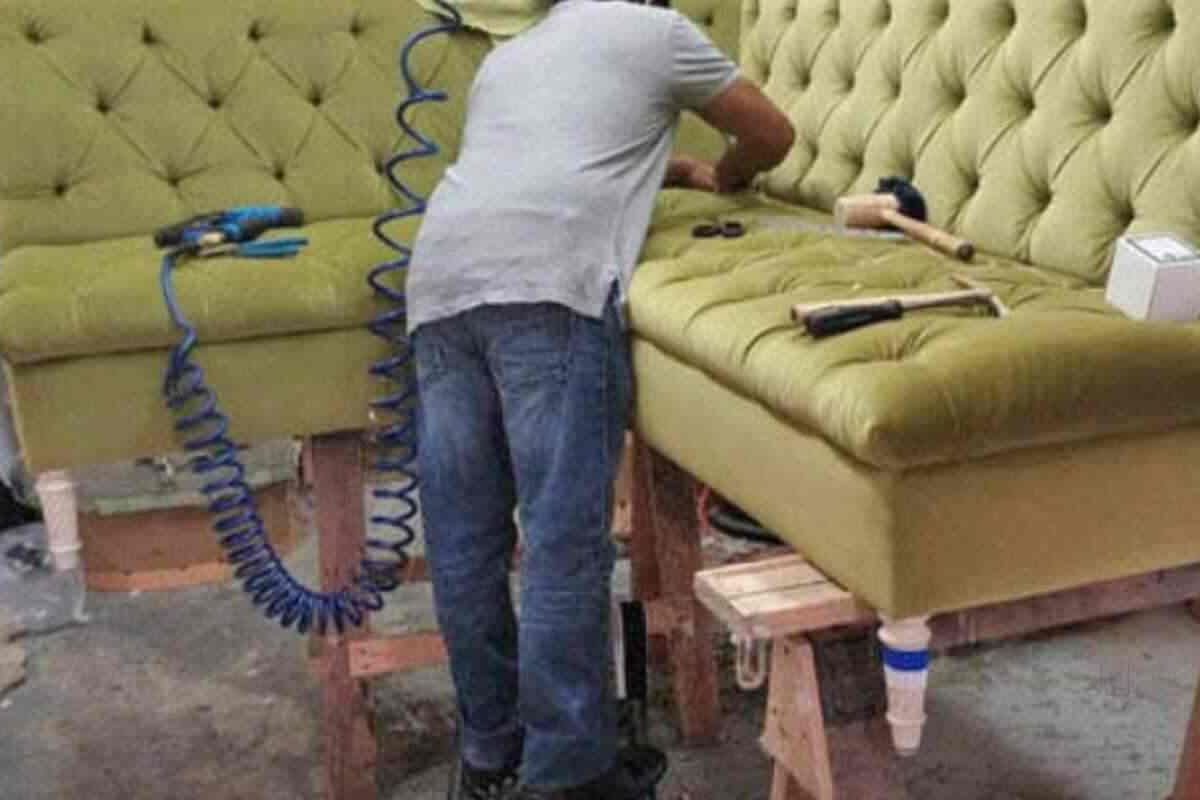
Repairing your sofa offers numerous benefits beyond just cost savings. Sentimental value often accompanies furniture, and repairing allows you to keep a cherished piece while restoring its functionality and appearance. Additionally, many older sofas are crafted from high-quality materials that are difficult to replicate in newer models. Repairing these pieces ensures you maintain their unique charm and craftsmanship. By choosing to repair, you also extend the life of your furniture, promoting sustainability and reducing waste, which aligns with eco-friendly values that are increasingly important in today’s world.
When DIY Sofa Repair Works—and When Professional Repair Is Better
DIY sofa repair can make sense for simple, low-risk tasks such as tightening accessible hardware, replacing removable cushion inserts, or making minor cosmetic repairs. Professional repair is more appropriate when the sofa has frame damage, broken springs, extensive upholstery damage, or integrated electrical and mechanical components.
Before choosing DIY, consider whether the repair could affect the sofa’s structural safety or create additional damage. For complex furniture work, a professional assessment can help determine whether repairing the existing piece is more economical than replacing it. Our carpet fixing services are a separate repair service for damaged or loose carpets, while our contact page provides a direct route for discussing furniture-related requirements with the business.
Customization Through Repair
One of the most exciting aspects of repairing a sofa is the opportunity for customization. When you opt for a repair, you can choose new upholstery that better reflects your personal style or complements your home decor. From vibrant colors to unique patterns, the options are nearly endless. Additionally, you can modify features like cushion firmness or add decorative elements such as piping or buttons, giving your sofa a fresh, tailored look. This level of customization not only revitalizes your furniture but also enhances your living space, ensuring that it remains a perfect fit for your aesthetic preferences.
Preventative Maintenance Tips
Preventative maintenance is key to prolonging the life of your sofa and reducing the need for repairs. Regular vacuuming helps remove dirt and debris that can wear down fabric over time. For spills, immediately blotting with a clean cloth can prevent staining. Consider using fabric protectors to shield against stains and wear, and rotate cushions periodically to ensure even use and reduce sagging. Additionally, placing the sofa away from direct sunlight can prevent fading. By implementing these simple maintenance practices, you can keep your sofa looking and feeling its best for years to come.
The Environmental Benefits of Repair
Choosing to repair your sofa instead of replacing it significantly benefits the environment. Furniture waste contributes to landfills, where it can take years to decompose. By opting for repair, you reduce this waste and promote a culture of sustainability. Moreover, many sofas are made from materials that have a high environmental impact during production. Repairing extends the life of these products, thereby decreasing the demand for new manufacturing and its associated carbon footprint. This eco-friendly choice not only conserves resources but also aligns with the growing trend of responsible consumption that prioritizes sustainability.
Case Studies or Testimonials
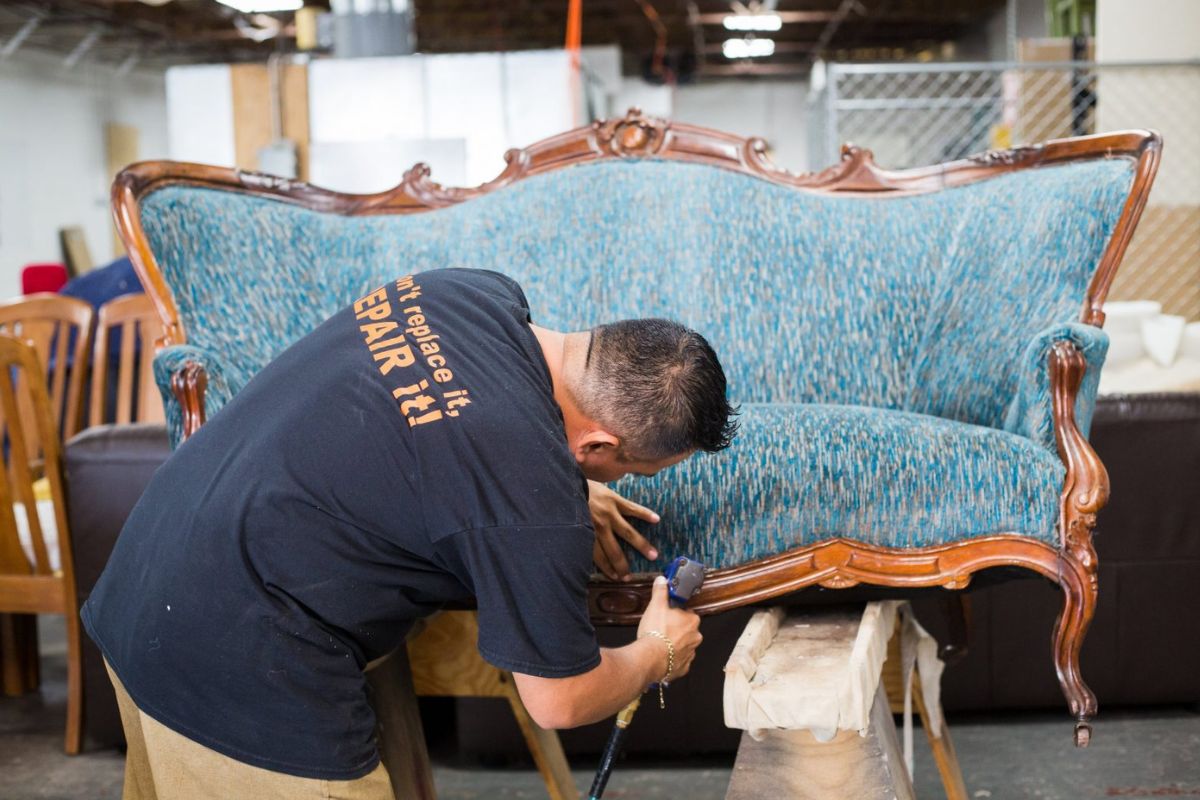
Real-life examples highlight the effectiveness of sofa repair and its cost-saving benefits. Take Sarah, who faced the dilemma of a sagging couch that she loved. Instead of buying new, she spent $300 to have the cushions replaced and the upholstery refreshed. The result was a revitalized sofa that fit perfectly with her decor and budget. Another homeowner, Mark, had a family heirloom sofa with a wobbly frame. After investing $150 in structural repairs, he preserved a cherished piece of family history while saving money. These stories illustrate how sofa repair can bring satisfaction and savings to homeowners.
Is It Worth Repairing a Sofa or Should You Replace It?
Repairing a sofa is usually worth considering when the frame and overall construction remain sound and the cost of correcting the specific problem is reasonable compared with buying a similar replacement. Replacement may make more sense when the frame has extensive irreparable damage, there is widespread mold or severe water damage, the sofa no longer fits the space, or several major components require replacement at the same time.
For sofas with powered recliners, massage functions, USB charging, heating, sensors, or other technology integrations, repair can be more involved because the fault may involve electrical components as well as the furniture itself. That does not automatically mean a much higher repair bill: the final cost depends on the failed component, diagnosis time, availability of parts, and labor. For broader furniture and interior projects, living room carpets can complement a restored sofa while helping refresh the overall room.
Conclusion: Making the Smart Choice
In conclusion, sofa repair is a savvy choice for homeowners looking to save money while extending the life of their furniture. By addressing common issues through repair, you can avoid the significant costs associated with buying new pieces and keep beloved sofas that hold sentimental value. With options for DIY repairs and professional services, customization opportunities, and environmentally friendly benefits, repairing your sofa offers a practical solution that aligns with budget-conscious and eco-friendly values. Before rushing to replace your furniture, consider the many advantages of repair and enjoy a beautiful, functional living space without breaking the bank.
Frequently Asked Questions (FAQ)
Q: Is it worth it to repair a couch?
A: Usually, if the frame and overall construction are still sound and the repair cost is reasonable compared with buying a comparable replacement. Sentimental value and comfort can also make repair worthwhile.
Q: How much does sofa repair cost?
A: There is no single standard price. Sofa repair cost depends on the damage, upholstery or structural work required, materials, labor, sofa construction, and whether replacement parts are needed.
Q: What factors affect sofa repair cost?
A: The main factors are the type of damage, size of the sofa, upholstery material, extent of structural work, replacement components, labor, and whether the repair requires specialist skills.
Q: Do sofas with tech integrations cost significantly more to repair when something fails?
A: Not necessarily. A technology-integrated sofa can cost more to diagnose or repair when motors, wiring, controls, power supplies, sensors, or other components fail, but the actual increase depends on the failed part and its availability.
Q: Are electric recliner sofas more expensive to repair?
A: They can be, particularly when the fault involves an electrical or mechanical component rather than upholstery or a simple loose connection. A diagnosis is needed before estimating the repair cost.
Q: What common sofa problems can be repaired?
A: Common repairable issues include sagging cushions, worn upholstery, loose legs, damaged springs, frame problems, and certain reclining or mechanical faults.
Q: Is reupholstering a sofa cheaper than buying a new one?
A: It can be, particularly when the existing frame is strong and the sofa has good construction. The decision should be based on the reupholstery quotation and the cost and quality of a comparable replacement.
Q: When should I replace a sofa instead of repairing it?
A: Replacement may be more practical when the frame is beyond economical repair, there is extensive mold or water damage, the sofa no longer suits the space, or several major components need replacement.
Q: Can repairing a sofa extend its useful life?
A: Yes. Replacing worn components, repairing structural problems, and renewing upholstery can extend the useful life of a sofa when its underlying construction remains suitable.
Q: Should I get a sofa repair quotation before deciding?
A: Yes. A quotation allows you to compare the actual repair scope and cost with the price of a suitable replacement and make a decision based on the sofa’s condition and value.