Vinyl flooring has become one of the most popular choices in modern Dubai interiors thanks to its durability, water resistance, and stylish appearance. As homeowners increasingly seek year-round comfort, underfloor heating systems are also gaining attention—especially for enhancing indoor warmth during the cooler winter months.
However, combining vinyl flooring with underfloor heating requires careful consideration to ensure performance, safety, and long-term stability. Not all vinyl products are designed to withstand heat fluctuations, and improper installation can lead to issues such as warping, adhesive failure, or reduced lifespan.
This compatibility guide explores how vinyl flooring interacts with underfloor heating systems in Dubai homes, what specifications to look for, and best practices for installation to achieve both comfort and efficiency without compromising floor quality.
Which vinyl types are rated for radiant heat systems
Not all vinyl is approved for radiant heating. The safest options are rigid-core SPC vinyl and select engineered LVT products that explicitly state compatibility with underfloor heating systems.
Key requirements typically include:
- Manufacturer certification for radiant heat use
- Dimensional stability under temperature cycling
- Glue-down or high-quality click systems designed for thermal movement
WPC (wood-plastic composite) is generally less stable under heat than SPC, so it is more sensitive to expansion over time.
Maximum temperature limits to prevent vinyl softening and off-gassing
Most vinyl flooring systems are designed to operate safely up to a surface temperature range around 27–29°C for comfort heating, with some products tolerating slightly higher limits (often up to ~27–29°C floor surface recommendations for continuous use, and higher short-term thresholds depending on manufacturer).
Beyond recommended limits:
- Vinyl can soften slightly
- Dimensional stability reduces
- Adhesives or backing layers may degrade
- Increased risk of odor or VOC release (especially in low-grade products)
The key risk is not immediate melting, but long-term material fatigue.
How heating cycles affect click-lock joint integrity over 5+ years
Repeated expansion and contraction cycles place stress on locking mechanisms. Over time:
- Micro-gaps may develop at joints
- Edges may lose tight engagement
- Audible movement (“clicking” or slight creaking) can occur
High-quality SPC systems are engineered to reduce this effect, but installation quality and expansion gaps are equally important. Poor subfloor flatness accelerates joint fatigue significantly.
Thermal resistance targets for vinyl over electric vs hydronic systems
Thermal resistance (R-value) must be kept low enough to allow efficient heat transfer:
- Electric mats: require very low resistance for fast response
- Hydronic systems: tolerate slightly higher resistance due to thermal mass
In both cases, vinyl systems with thick underlays can reduce efficiency. The ideal setup balances comfort, responsiveness, and energy transfer rather than maximizing insulation.
Installation methods that prevent air pockets under heated vinyl
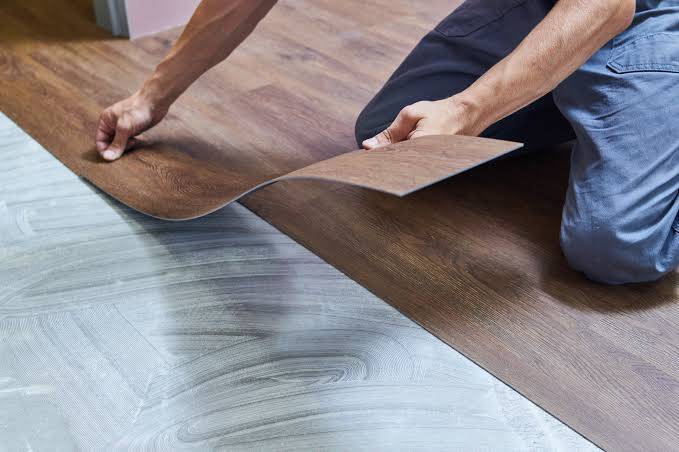
Air pockets create hot spots and reduce system efficiency. Prevention methods include:
- Fully flat subfloor preparation
- Proper adhesive spread (for glue-down systems)
- Roller compression after installation
- Avoiding thick soft underlays in heated zones
In floating systems, continuous contact with the underlayment is essential to ensure even heat distribution.
How to retrofit electric mats under vinyl without raising floor height
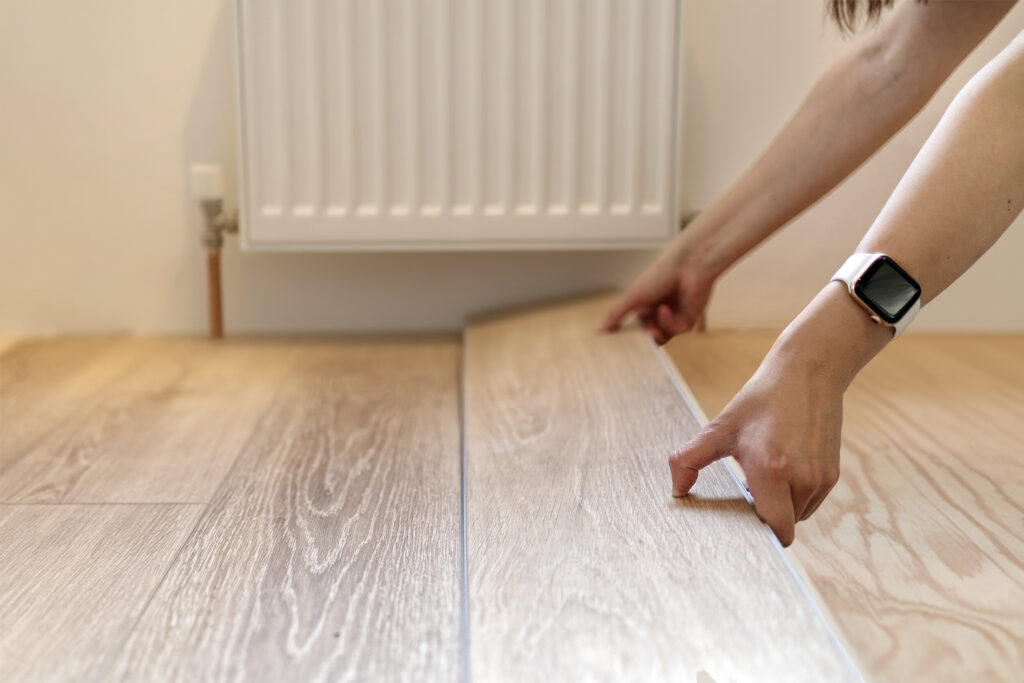
Retrofit heating systems must be ultra-thin to avoid door clearance and transition issues. Common approaches include:
- Thin electric mesh heating mats embedded in leveling compounds
- Direct installation over primed subfloor before vinyl
- Low-profile systems designed specifically for retrofit use
The challenge is balancing minimal build-up height with consistent thermal output.
Warranty conflicts between vinyl manufacturer and heating system supplier
One of the most common real-world challenges in combining vinyl flooring with underfloor heating is the issue of overlapping warranties. Vinyl flooring manufacturers typically impose strict requirements regarding maximum surface temperatures, heat-up rates, and approved installation methods to ensure product stability and long-term performance.
At the same time, underfloor heating system suppliers provide their own warranties, which are based on the assumption that the flooring materials used are fully compatible with their system specifications. This creates a potential conflict where each party’s warranty is valid only under specific conditions. If the heating system exceeds the recommended temperature limits, or if the vinyl flooring is installed without following approved guidelines, either or both warranties may become void.
For this reason, obtaining clear written confirmation of system compatibility and maintaining proper technical documentation before installation is essential to protect both performance guarantees and long-term investment value.
Seasonal transition: turning off heating as Dubai warms up
In climates like Dubai Marina, heating systems are typically seasonal and must be ramped down gradually:
- Sudden shut-off can stress expansion joints
- Gradual reduction prevents thermal shock in flooring layers
- Systems should remain ventilated to avoid trapped humidity beneath slabs
Even after heating is off, residual slab temperature changes can still affect vinyl movement.
Best vinyl plank width for minimizing seasonal gaps over heated slabs
Plank width influences movement visibility:
- Narrow planks: more joints, but movement is distributed
- Wide planks: fewer joints, but each expansion is more noticeable
For heated floors, moderate widths are often optimal because they balance stability and movement control. Extremely wide planks may amplify seasonal expansion effects, especially in long continuous runs.
Frequently Asked Questions
Can any luxury vinyl plank go over electric underfloor heating?
No; only vinyl labeled “radiant heat approved” with maximum 27°C surface temperature limit.
What happens if my underfloor heating exceeds vinyl’s temperature rating?
Vinyl softens, expands excessively, locks fail, plasticizers migrate causing brittleness and VOC smell.
What is the ideal vinyl thickness for above hydronic (water) heating?
4-6mm SPC with total system thermal resistance under 0.15 m²K/W for efficiency.
Does underfloor heating damage vinyl faster in Dubai winter than in colder climates?
No, Dubai’s short heating season (Dec-Feb) is less damaging than 5-month European winters.
Can I install vinyl over old underfloor heating that has temperature zones?
Yes but test each zone; previous use may have created uneven slab temperatures.
How do I safely turn off underfloor heating under vinyl at end of winter?
Reduce temperature gradually over 5-7 days; never shut off from full heat to cold suddenly.
Should I choose glue-down or floating vinyl for heated bathroom floors?
Floating is safer for DIY repairs; glue-down may have adhesive failure from heating cycles.
Does vinyl over heated floors require different expansion gaps than unheated?
Yes, increase perimeter gaps by 50% to accommodate thermal expansion during heating season.
How many years can I expect from vinyl over daily-used underfloor heating?
8-12 years compared to 15-20 without heating; heating accelerates plasticizer migration.