Choosing the right carpet for your home is about far more than finding a color you like—it is about balancing comfort, durability, practicality, and style for each unique space. From the soft, plush carpet you want in a cozy bedroom to the stain-resistant, high-traffic flooring your living room and hallway demand, the options can feel overwhelming. Material choices like wool, nylon, polyester, and olefin each offer different benefits in terms of longevity, feel, and maintenance. Pile height, padding, color, and even eco-friendliness all play crucial roles. Whether you have pets, allergies, a tight budget, or a passion for sustainable design, this guide helps you select the perfect carpet for every room in your home.
Choosing the right carpet is about more than aesthetics—it’s about comfort, durability, and practicality. Whether you’re outfitting a high-traffic area or creating a cozy bedroom retreat, understanding what works best for each room is key. In this guide, we’ll explore how to choose the ideal carpet for every space in your home.
Carpet Materials: Which Is Right for Your Room?
The material you choose for your carpet has a significant impact on durability and comfort. Wool is luxurious and durable, perfect for high-traffic areas but can be more expensive. Nylon is a popular synthetic option due to its stain resistance and resilience, making it ideal for living rooms and hallways. Polyester offers softness and affordability, making it a great option for bedrooms. Olefin/Polypropylene is water- and fade-resistant, best suited for basements or outdoor spaces. Each material has its unique benefits, so consider the function of each room before making a decision.
Durability Matters: Matching Your Carpet to Traffic Levels
The level of foot traffic a room experiences should guide your carpet selection. In high-traffic areas such as hallways, family rooms, and entryways, durable materials like nylon or wool are essential. These materials hold up well over time, resist wear, and retain their appearance. For low-traffic areas like bedrooms, you can opt for softer, more luxurious materials like polyester or high-pile wool, which add comfort and warmth. By selecting the right material based on traffic, you ensure your carpet stands the test of time in every room.
Tailoring Your Carpet Choice to Each Room’s Function
Every room in your home serves a unique purpose, and your carpet should reflect that. In living rooms, where style and durability meet, choose stain-resistant, neutral-toned carpets that can complement your décor and withstand everyday wear. For bedrooms, plush, high-pile carpets provide comfort and insulation. In home offices, low-pile carpets allow for smooth chair movement while maintaining a professional look. For basements, moisture-resistant carpets like olefin protect against dampness and mold. Matching your carpet selection to each room’s function ensures both style and practicality.
Carpet Pile Height: Balancing Comfort and Practicality
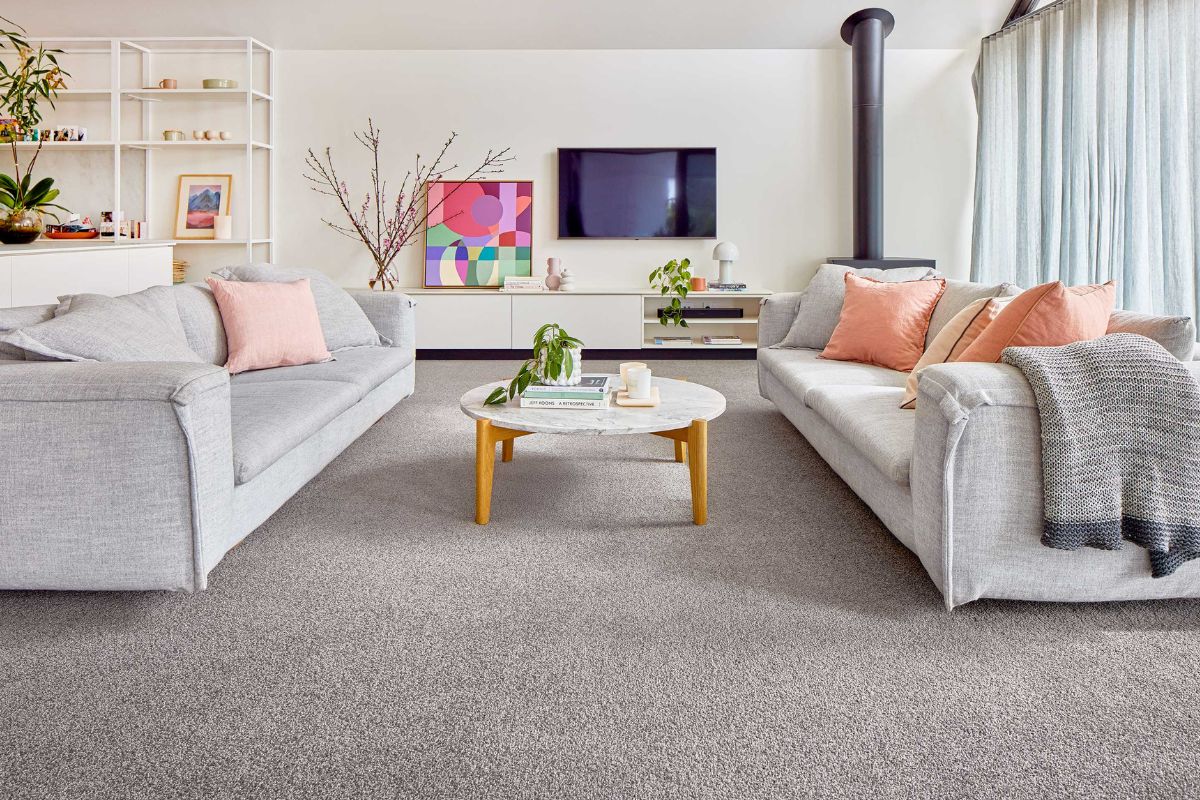
The pile height of your carpet affects both its feel and functionality. Low-pile carpets are easier to clean and are great for high-traffic areas such as hallways and living rooms, where you want a durable, easy-to-maintain option. High-pile carpets, with their deep, soft texture, are best suited for bedrooms or lounge areas where comfort takes precedence over heavy foot traffic. Choosing the right pile height ensures that your carpet meets both practical and aesthetic needs.
Choosing the Perfect Color and Style for Each Room
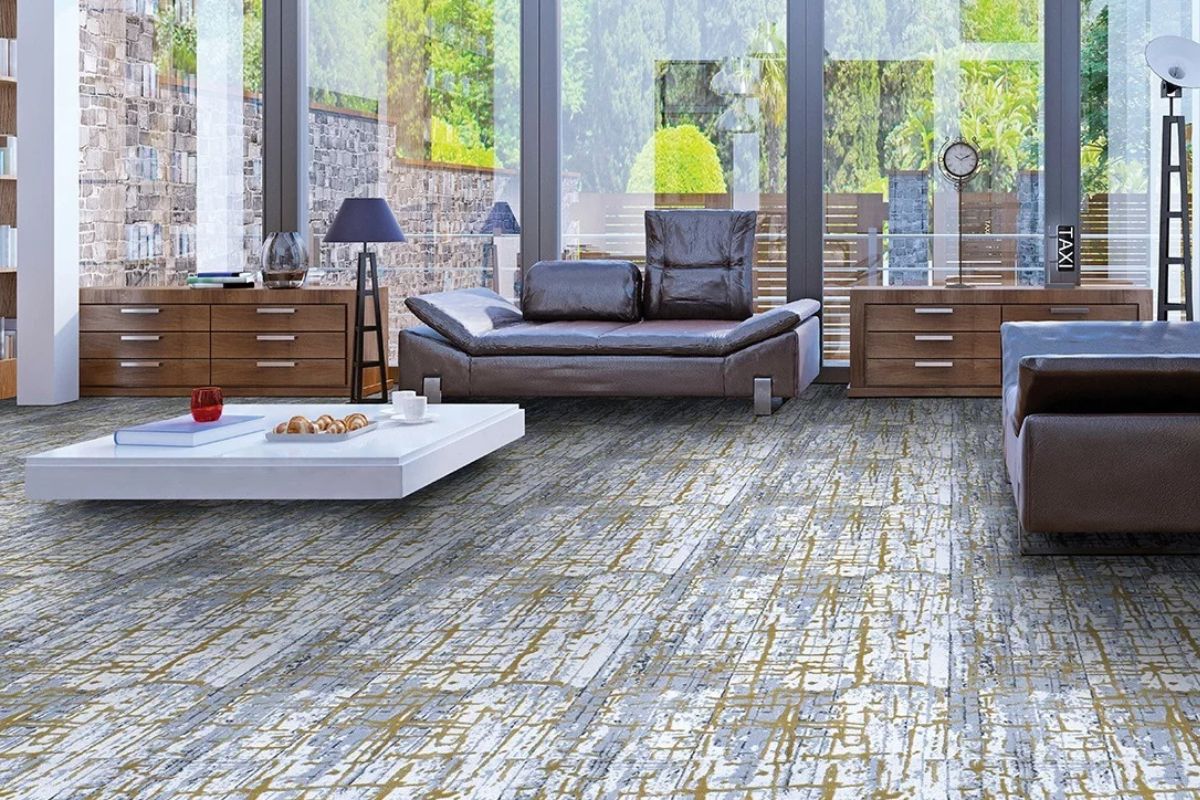
Carpet color can set the tone for a room’s overall aesthetic. Neutral colors like beige, gray, and taupe offer versatility, making them a smart choice for living rooms and hallways where you may want to change décor over time. Darker colors like charcoal or navy hide stains and wear, making them ideal for high-traffic areas. For a bolder look, patterned carpets can add depth and character to larger spaces but should be used cautiously in smaller rooms where they might overwhelm the space. Thoughtful color and style choices ensure your carpet enhances your room’s design.
The Importance of Carpet Padding: Comfort Meets Longevity
Carpet padding plays a critical role in comfort, insulation, and extending your carpet’s life. In bedrooms, thicker padding provides a softer feel underfoot, creating a cozy, quiet environment. In high-traffic areas like living rooms and hallways, denser padding offers better support and helps the carpet withstand daily wear. Good-quality padding also improves insulation, helping to maintain a room’s temperature and reduce energy costs. Invest in the right underlay for long-term comfort and carpet longevity.
Easy Maintenance: Choose Carpets That Simplify Cleaning
The ease of cleaning should be a key factor in your carpet choice. In high-traffic rooms like living rooms and hallways, opt for carpets made from stain-resistant materials such as nylon or olefin to simplify cleaning. In bedrooms, where the focus is on comfort, high-pile carpets may require regular vacuuming and occasional deep cleaning to maintain their plush feel. Choosing carpets with easy maintenance in mind will help keep them looking fresh and extend their lifespan.
Allergy and Pet-Friendly Carpets: Creating a Healthier Home Environment
For homes with allergy sufferers or pets, selecting carpets that reduce allergens is crucial. Hypoallergenic synthetic fibers like nylon are designed to repel dust, pollen, and other common allergens, making them ideal for bedrooms and living rooms. Pet owners should look for durable, stain-resistant carpets that can withstand pet-related messes. Low-pile options are particularly helpful, as they are easier to clean and trap less hair and dirt. These choices ensure your home stays comfortable, clean, and allergy-friendly.
Budgeting for Your Carpet: Balancing Cost and Quality
Your budget will heavily influence your carpet choice, but it’s important to balance cost with quality. Nylon carpets, though more expensive upfront, offer excellent durability for high-traffic areas, providing long-term value. Polyester carpets are more affordable and work well in low-traffic areas like bedrooms, but they may need replacing sooner. For basements or outdoor spaces, olefin carpets provide a cost-effective option that is resistant to moisture and wear. Understanding the cost-to-value ratio of each material helps you make an informed decision that fits both your budget and your home’s needs.
Go Green: Eco-Friendly Carpet Options for the Sustainable Home
Eco-conscious homeowners have more sustainable carpet options than ever before. Natural fibers like wool are both durable and biodegradable, making them a great choice for living areas and bedrooms. Jute and seagrass are also eco-friendly and best suited for low-traffic areas such as home offices or reading nooks. For those looking for recycled materials, PET carpets, made from recycled plastics, offer a durable and sustainable option for any room. By choosing eco-friendly carpets, you not only enhance your home’s style but also reduce your environmental impact.
Conclusion
Selecting the perfect carpet for every room in your home requires balancing comfort, durability, style, and functionality. From understanding material options to factoring in maintenance and traffic levels, these guidelines ensure you make informed choices that enhance both the aesthetics and practicality of your space. Whether you prioritize eco-friendliness, durability, or comfort, the right carpet choice will transform your home’s atmosphere while offering lasting value. By following these tips, you can confidently choose the perfect carpet for each room in your home.