Imagine stepping onto a carpet that feels cool and dry even on the most humid day—no musty smells, no sticky discomfort, and no worry about mold. Living in a hot and humid climate requires flooring choices that go beyond style. The right carpet must be breathable, moisture-resistant, easy to clean, and durable enough to withstand high humidity without deteriorating. Natural fibers like sisal and jute offer excellent airflow, while synthetic options like nylon and polyester resist mold and mildew. Light colors reflect heat, low piles promote circulation, and antimicrobial treatments add protection. Whether you are furnishing a beach home or a tropical apartment, discover how to select, install, and maintain carpet that stays fresh and comfortable year-round.
Living in a hot and humid climate poses unique challenges, especially when it comes to selecting the right carpeting for your home. The wrong choice can lead to discomfort, mold growth, and frequent maintenance issues. This guide will explore the best carpet materials, features, and considerations to help you make an informed decision that ensures comfort and longevity in your space.
Material Choices: Finding the Right Fit
When selecting carpets for hot and humid climates, material choice is paramount. Natural fibers like sisal and jute are excellent options as they are breathable, allowing moisture to evaporate easily. These fibers are durable and can withstand the wear and tear of high traffic. Wool, while slightly heavier, also offers breathability and moisture-wicking properties, making it suitable for humid conditions. On the other hand, synthetic fibers like nylon and polyester are engineered to resist moisture, preventing mold and mildew growth. They are also easier to clean and maintain, which is crucial in humid environments. By considering both natural and synthetic options, homeowners can choose a carpet that balances comfort and practicality while enhancing their indoor atmosphere.
Breathability: Letting Your Home Breathe
Breathability is a vital characteristic for carpets in hot and humid climates. Carpets that promote airflow can help reduce heat buildup, making spaces feel cooler. Look for carpets with open weaves or low pile construction, as these designs allow air to circulate more freely compared to thick, dense carpets. A breathable carpet can significantly enhance indoor comfort, especially during the hottest months. Additionally, selecting carpets with moisture-wicking properties helps combat humidity by allowing sweat and moisture to evaporate rather than accumulate. This feature is particularly important in regions prone to high humidity levels, where stagnant moisture can lead to discomfort and mold issues. Investing in breathable carpets not only improves comfort but also contributes to a healthier indoor environment.
Moisture Resistance: Guarding Against Mold
Moisture resistance is crucial when selecting carpets for hot and humid climates. Humidity can lead to mold and mildew growth, which can affect both the carpet’s appearance and your health. Look for carpets specifically designed with moisture-resistant features, such as those treated with antimicrobial solutions or made from inherently moisture-resistant materials. Carpets with built-in moisture barriers are also advantageous, as they prevent moisture from penetrating the carpet fibers. Choosing moisture-resistant carpets not only helps maintain a cleaner home but also reduces the frequency of deep cleaning and replacement. Regular maintenance, including vacuuming and spot cleaning, is essential to keep these carpets looking fresh. Ultimately, moisture-resistant carpets provide peace of mind, allowing you to enjoy your living space without the worry of unpleasant odors or health issues associated with mold.
Color Selection: Reflecting Light and Style
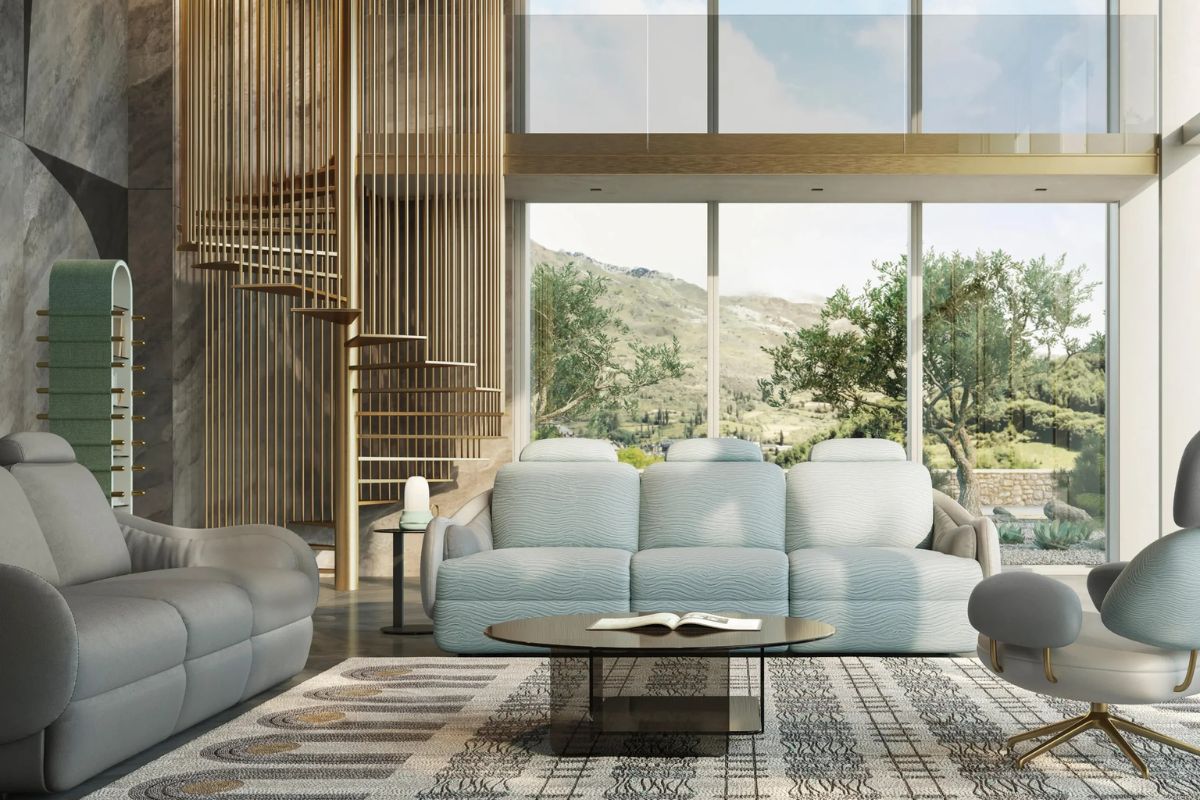
Color selection plays a crucial role in maintaining comfort in hot and humid climates. Lighter colors tend to reflect heat, making spaces feel cooler compared to darker shades that absorb sunlight. Opting for light hues such as beige, cream, or pastel shades can create an inviting atmosphere while contributing to a cooler environment. In addition to reflecting heat, light-colored carpets also enhance natural light in a room, making it appear more spacious and airy. When choosing a carpet color, consider the overall aesthetic of your home and how the carpet will complement existing decor. However, it’s essential to balance aesthetics with practicality, as lighter colors may require more frequent cleaning to keep them looking pristine. By selecting the right color, homeowners can enhance their comfort while adding to the visual appeal of their space.
Cooling Properties: Stay Comfortable Year-Round
Carpets with cooling properties can significantly enhance comfort in hot and humid climates. Some carpets are designed with special technologies that help regulate temperature and feel cooler underfoot. For instance, carpets made from specific synthetic materials can create a cooling sensation when walked on, providing relief during the sweltering heat. Additionally, certain carpets are constructed with a low pile, which allows air to circulate more effectively, reducing heat retention. Incorporating these cooling features into your carpet choice can enhance overall comfort, especially in areas like bedrooms or living rooms where you spend significant time. When shopping, look for products that advertise cooling properties or test samples in-store to feel the temperature differences firsthand. Investing in carpets with cooling properties not only promotes comfort but also contributes to a more enjoyable living environment during the warmer months.
Maintenance Considerations: Keep It Fresh
Maintenance is a critical aspect of carpet selection, especially in hot and humid climates where moisture can lead to mold and odors. Regular cleaning routines are essential to keep carpets looking fresh and prolong their lifespan. Choose carpets that are easy to clean and maintain; synthetic fibers like nylon or polyester often have stain-resistant treatments that simplify upkeep. It’s also beneficial to vacuum frequently to prevent dust and dirt buildup, which can trap moisture. In addition to regular cleaning, consider using a dehumidifier in humid areas to control moisture levels and reduce the risk of mold growth. When necessary, professional cleaning can help maintain the carpet’s appearance and hygiene. By prioritizing maintenance, homeowners can ensure their carpets remain comfortable and inviting, enhancing the overall ambiance of their living space.
Installation Tips: Set the Stage for Success
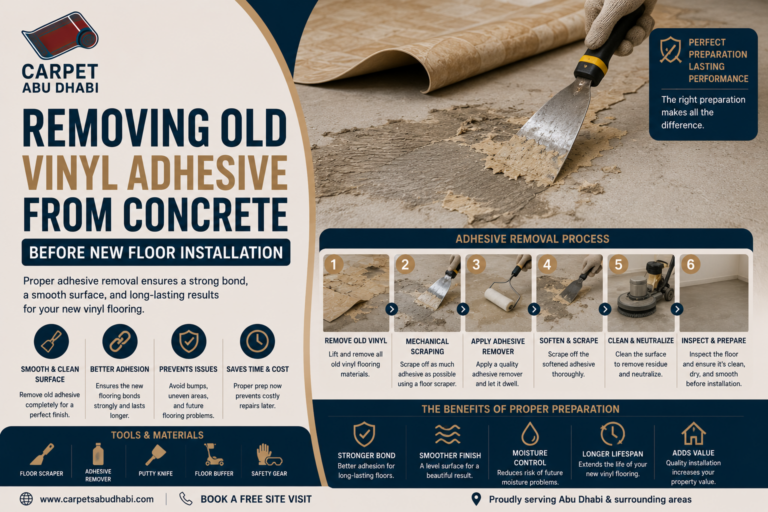
Proper installation is crucial for maximizing the benefits of carpets in hot and humid climates. To enhance airflow and prevent moisture buildup, consider using a breathable carpet pad that allows for adequate ventilation. This step helps moisture escape and reduces the likelihood of mold growth. Additionally, it’s essential to install carpets correctly to avoid wrinkles and uneven surfaces, which can trap heat. Hiring a professional installer familiar with humid conditions can ensure proper techniques are used, promoting longevity. Avoid installing carpets directly on concrete, as it retains moisture; instead, use a barrier to mitigate this issue. By focusing on installation, homeowners can create a comfortable living environment that remains cool and dry, enhancing the durability and performance of their carpets.
Environmental Impact: Choose Wisely for the Planet
In today’s eco-conscious world, considering the environmental impact of carpet choices is essential, especially in humid climates. Opting for eco-friendly carpets made from sustainable materials, such as organic wool or recycled fibers, can significantly reduce your carbon footprint. These materials not only contribute to a healthier planet but also improve indoor air quality by minimizing harmful emissions often found in synthetic carpets. Additionally, choosing carpets with certifications, such as Green Label Plus or Cradle to Cradle, ensures that they meet stringent environmental standards. Selecting sustainable carpets often means investing in products designed for longevity, which further benefits the environment by reducing waste. By prioritizing environmentally-friendly options, homeowners can create a comfortable living space while making responsible choices for the planet.
Cost vs. Longevity: A Smart Investment
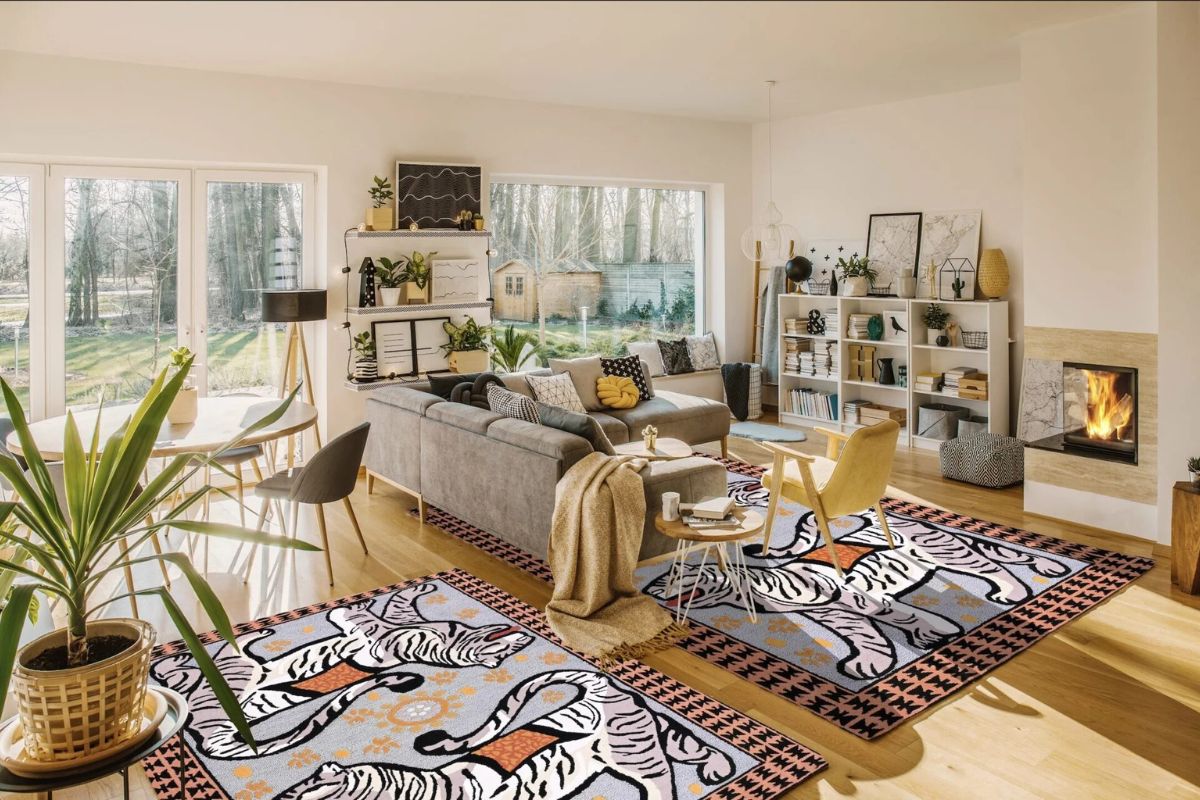
When choosing carpets for hot and humid climates, it’s essential to balance cost with longevity. While cheaper options may seem appealing initially, they often lack durability and may require frequent replacement, ultimately costing more in the long run. Investing in high-quality carpets made from resilient materials can lead to significant savings over time, as they withstand wear and moisture better than lower-end products. Consider factors such as warranty length, manufacturer reputation, and customer reviews when evaluating potential options. Additionally, choose carpets designed specifically for humid environments to enhance longevity and reduce maintenance costs. By prioritizing long-term investment over short-term savings, homeowners can enjoy comfortable and aesthetically pleasing carpets that stand the test of time, making them a worthwhile addition to their home.
Personal Comfort: Tailoring to Your Needs
Personal comfort is paramount when selecting carpets for hot and humid climates. Every individual has unique preferences regarding texture, softness, and overall feel. It’s essential to test carpet samples in your home to assess comfort levels in your specific environment. Consider how the carpet will feel underfoot, especially in areas where you spend extended periods, such as living rooms or bedrooms. Additionally, take into account how the carpet’s material interacts with humidity; for instance, some carpets may feel sticky or unpleasant in high moisture levels. Engaging family members in the selection process ensures everyone’s comfort is considered, leading to a more harmonious living environment. Ultimately, prioritizing personal comfort when selecting carpets will result in a more enjoyable and inviting home.
Conclusion
Choosing the right carpet for hot and humid climates requires careful consideration of materials, maintenance, and personal comfort. By focusing on breathable, moisture-resistant options and considering the environmental impact, homeowners can create a comfortable living space that withstands the challenges of humidity. Prioritize durability and maintenance to ensure long-term satisfaction and invest in a carpet that enhances both the aesthetic appeal and functionality of your home. With the right choices, you can enjoy a cool and comfortable environment, even in the warmest months.