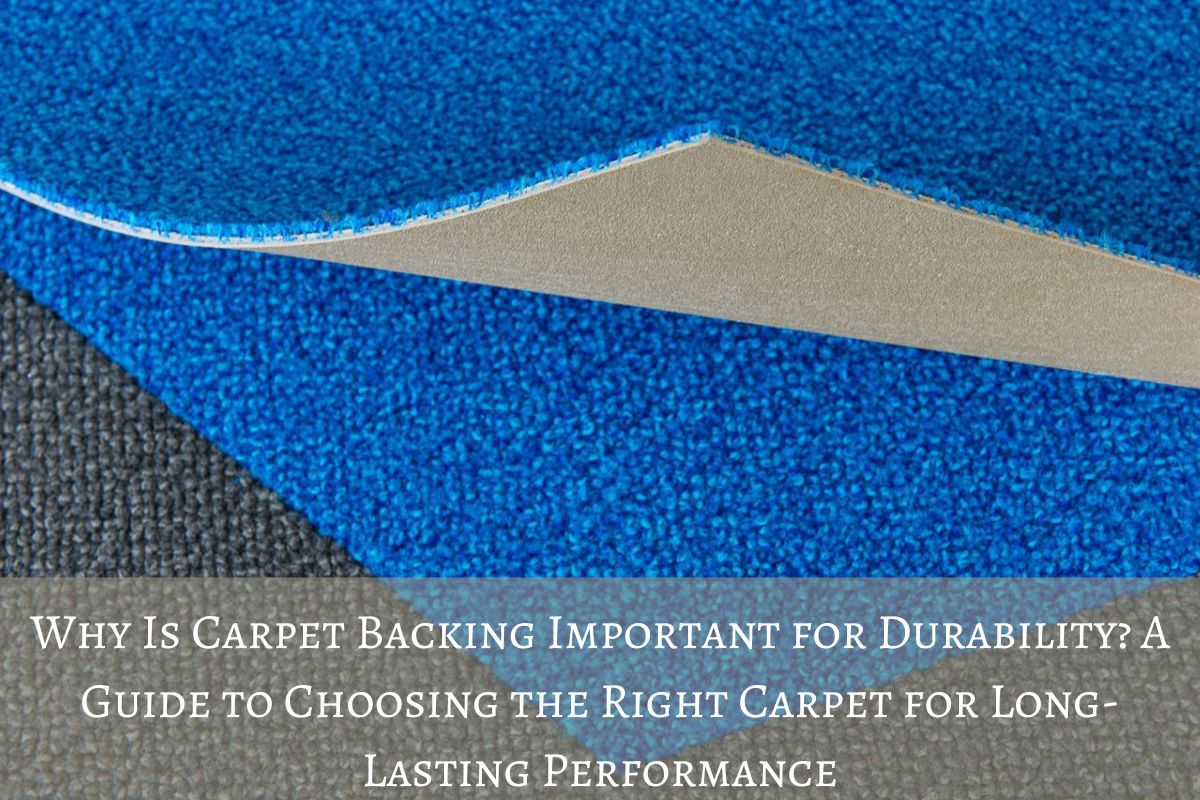
When you choose a carpet, you probably focus on color, texture, and softness. But hidden beneath that beautiful surface lies the true hero of durability and performance: carpet backing. Often overlooked, carpet backing is the foundation that prevents stretching, wrinkling, and premature wear. It provides stability, supports fibers, absorbs impact from foot traffic, and in many cases acts as a moisture barrier against spills and humidity. From natural jute for eco-friendly homes to durable synthetics like polypropylene and latex for busy households, the right backing ensures your carpet stands the test of time. Discover how understanding carpet backing can help you make a smarter investment that looks great and performs beautifully for years.
When it comes to selecting the perfect carpet, most people focus on color, texture, and style—because, let’s face it, who doesn’t want their floors to look fabulous? But beneath that plush surface lies a hidden hero: carpet backing. While it may not be the star of the show, the backing plays a crucial role in determining your carpet’s durability and performance over time. Think of carpet backing as the foundation of a house. Without a solid base, even the most luxurious design can falter under pressure. Whether you’re dealing with heavy foot traffic, rowdy pets, or the occasional coffee spill, the right backing can make all the difference in how well your carpet stands the test of time. In this guide, we’ll delve into why carpet backing is essential, explore the different types available, and provide tips on choosing the best option for your needs. By the end, you’ll be equipped to select a carpet that not only enhances your space but also lasts for years to come.
How Carpet Backing Supports Carpet Durability and Performance
Carpet backing is a critical part of a carpet’s construction because it helps hold the pile in place, supports dimensional stability, and influences how the carpet responds to daily foot traffic. While fiber type and pile construction affect wear resistance, the backing system also contributes to resistance against stretching, wrinkling, seam movement, and premature deterioration.
For homes and commercial interiors in Dubai and Abu Dhabi, the backing should be selected according to traffic levels, installation method, subfloor condition, and expected maintenance. When choosing quality carpets for residential and commercial spaces, consider the complete carpet construction rather than judging durability from the surface appearance alone.
What Carpet Backing Does: Stability, Fiber Support, and Wear Performance
The main function of carpet backing is to provide structural support for the pile and help the finished carpet maintain its shape during normal use. Depending on the construction, backing can improve dimensional stability, contribute to resistance against stretching or buckling, and help the carpet tolerate repeated foot traffic.
It can also affect installation performance, particularly where carpets are stretched, glued, or installed as modular tiles. In high-use areas, selecting the backing together with the appropriate carpet fitting and installation method is important because poor subfloor preparation or an unsuitable installation system can undermine otherwise durable carpet construction.
Types of Carpet Backing: Primary, Secondary, Foam, Jute, and Rubber
Carpet backing systems vary according to carpet construction and intended use. Primary backing is the substrate through which carpet yarn is tufted, while secondary backing may provide additional dimensional stability and structural support. Foam-backed carpets can offer cushioning and may be used where comfort and simplified installation are priorities, while natural-fiber backings such as jute have different moisture and environmental characteristics from synthetic systems.
Rubber-backed products can provide useful stability for certain rugs and mats, but the suitability of any backing depends on the product specification and installation environment. For larger or higher-traffic applications, options such as wall-to-wall carpets should be evaluated according to traffic classification, backing construction, subfloor requirements, and maintenance expectations rather than price alone.
Materials Used in Carpet Backing
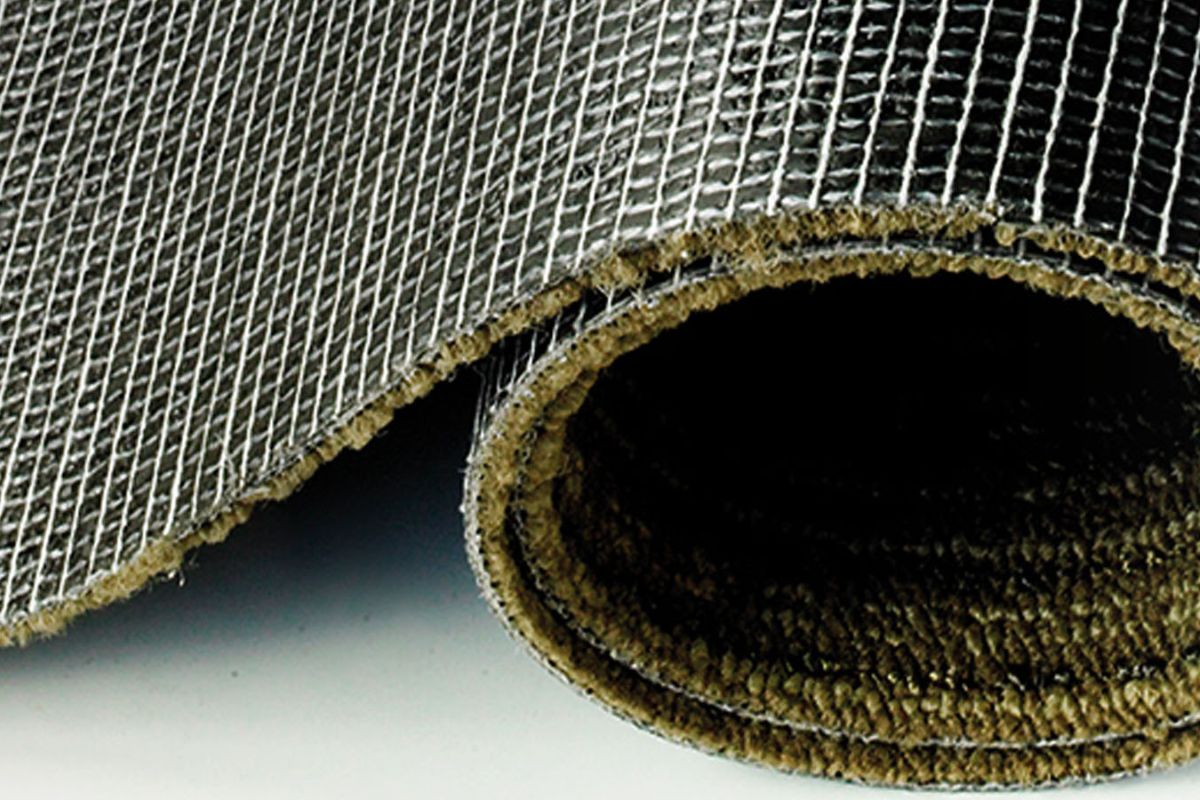
Carpet backing comes in various materials, each with unique benefits. Natural options like jute or cotton are biodegradable and eco-friendly, ideal for those prioritizing sustainability. Synthetic materials such as polypropylene, latex, and polyurethane are durable, moisture-resistant, and budget-friendly, making them popular for modern homes. Polypropylene, for instance, offers strength and flexibility, while latex enhances carpet stability. Choosing the right material depends on the carpet’s intended use, environmental conditions, and maintenance preferences. For example, damp areas benefit from moisture-resistant synthetics, while eco-conscious homeowners may opt for natural jute. Balancing these factors ensures your carpet meets your needs.
Carpet Backing and Its Influence on Performance
Carpet backing significantly affects performance. It determines how well the carpet handles heavy traffic and pressure over time. A strong backing prevents stretching, keeping the carpet in place and maintaining its visual appeal. Backing also impacts comfort by enhancing cushioning and support, making carpets feel softer underfoot. Additionally, it helps reduce noise, acting as a sound insulator, and contributes to better temperature control. In high-moisture environments, a quality backing can act as a barrier, protecting against mold and mildew. By choosing the right backing, you ensure your carpet performs optimally, no matter where it’s installed.
Choosing the Right Carpet Backing for Your Needs
The right carpet backing depends on your lifestyle and the area of installation. For high-traffic zones like hallways or offices, durable secondary backing is ideal. Homes with pets or kids benefit from moisture-resistant options that can withstand spills and accidents. In damp environments like basements, rubber or synthetic backing offers protection against moisture. Pairing the backing with the correct underlay ensures compatibility with your flooring type, enhancing performance and longevity. Assess your needs—whether it’s durability, noise reduction, or eco-friendliness—before making a decision. The right backing can transform a good carpet into a long-lasting investment.
Maintenance and Longevity
Carpet backing plays a vital role in maintenance and longevity. A sturdy backing makes carpets easier to clean, as it prevents spills from soaking through to the subfloor. Backings with moisture barriers are particularly helpful for preventing stains and odors. Regular vacuuming, spot cleaning, and professional maintenance ensure the backing and carpet fibers remain in good condition. Poor-quality backings may degrade quickly, leading to loose fibers and uneven surfaces. Investing in a high-quality backing and following proper care routines can significantly extend the carpet’s lifespan, keeping it looking fresh and performing well for years.
Cost vs. Value of Carpet Backing
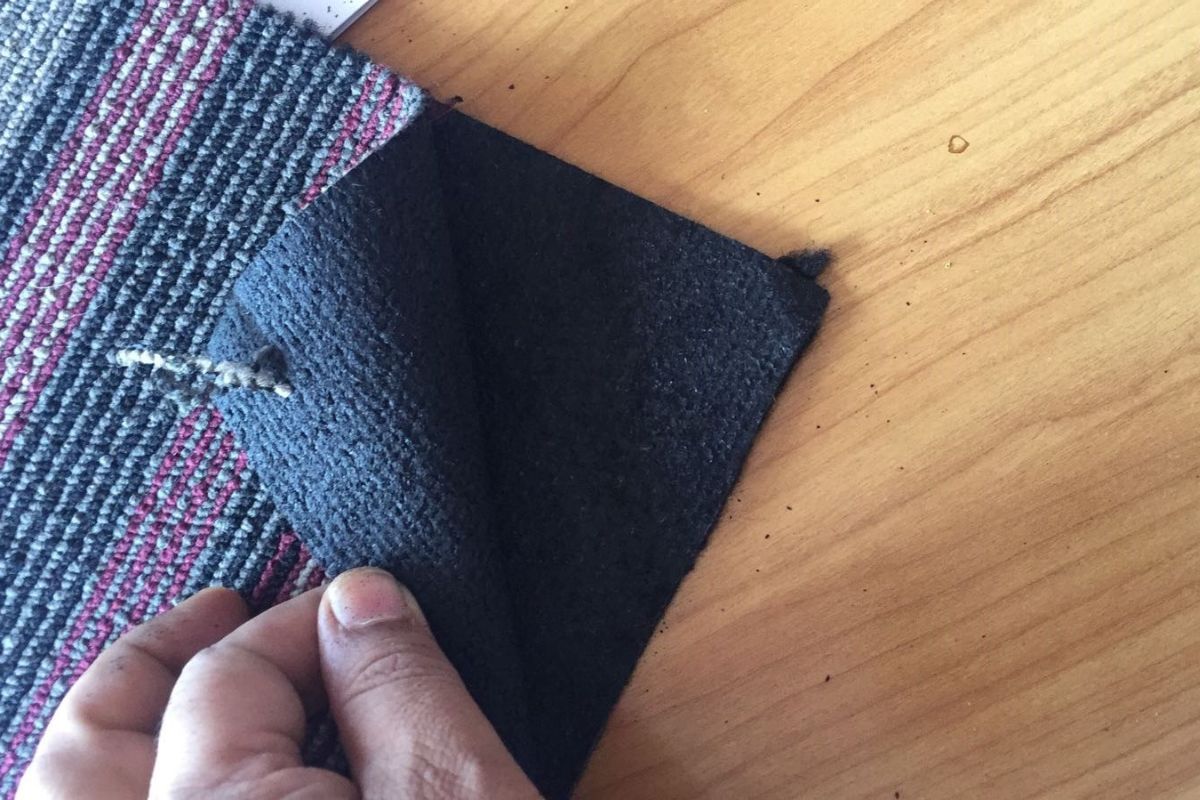
While premium carpet backing may cost more upfront, it offers long-term value by increasing the carpet’s durability. Investing in high-quality backing prevents issues like wrinkling, wear, and premature replacement, saving money over time. Budget-friendly options like foam may work for low-traffic areas, but they lack the resilience of jute or synthetic backings. Consider the cost of repairs and replacements when evaluating your choices. Durable backing also enhances comfort and functionality, making it worth the investment. Balancing your budget with the expected lifespan and performance ensures you get the best value for your money.
Conclusion and Recommendations
Carpet backing is a critical factor in the overall performance and durability of a carpet. From providing stability and support to enhancing comfort and moisture resistance, the right backing ensures your carpet withstands the rigors of daily use. By understanding the types, materials, and benefits of backing, you can make an informed choice that aligns with your needs and lifestyle. Whether you’re prioritizing eco-friendliness, durability, or cost, selecting the right backing is an investment in long-term satisfaction. Choose wisely, and your carpet will not only look great but also last for years to come.
FAQs
Q: What is carpet backing?
A: Carpet backing is the material or construction attached to the underside of a carpet that supports the pile and contributes to dimensional stability, installation performance, and overall durability.
Q: Why is carpet backing important for durability?
A: Good backing helps the carpet retain its shape, supports the pile structure, and can reduce problems such as stretching, buckling, and premature wear when correctly matched to the application.
Q: What is the difference between primary and secondary carpet backing?
A: Primary backing is the substrate through which carpet yarn is inserted during manufacturing. Secondary backing is an additional layer that can provide dimensional stability and structural support.
Q: Does carpet backing affect how long a carpet lasts?
A: Yes, but backing is only one part of durability. Fiber type, pile construction, traffic level, installation quality, maintenance, and subfloor conditions also influence carpet lifespan.
Q: Is rubber carpet backing suitable for every floor?
A: No. Rubber backing can be useful for certain rugs and mats, but compatibility depends on the flooring underneath, product specification, ventilation, and installation requirements.
Q: Is foam backing good for high-traffic areas?
A: It depends on the specific foam and carpet construction. High-traffic applications should be assessed for compression recovery, dimensional stability, traffic classification, and installation method rather than choosing backing based on cushioning alone.
Q: Does carpet backing make a carpet waterproof?
A: No. Some backing systems can provide resistance to moisture, but carpet should not automatically be considered waterproof because of its backing. The complete product construction determines moisture performance.
Q: Does carpet backing matter in Dubai and Abu Dhabi?
A: Yes. Flooring selection should account for indoor cooling, humidity, dust, traffic, subfloor conditions, and installation requirements. The appropriate backing should be selected according to the specific environment.
Q: Can the wrong backing cause carpet wrinkles or buckling?
A: It can contribute to installation and dimensional-stability problems, but wrinkles and buckling can also result from poor installation, inadequate stretching, unsuitable adhesive, subfloor issues, or environmental changes.
Q: How should I choose durable carpet backing for my project?
A: Start with the carpet type, traffic level, installation method, subfloor, and expected maintenance. A carpet supplier or installer should then match the backing specification to those conditions rather than choosing solely by price.