
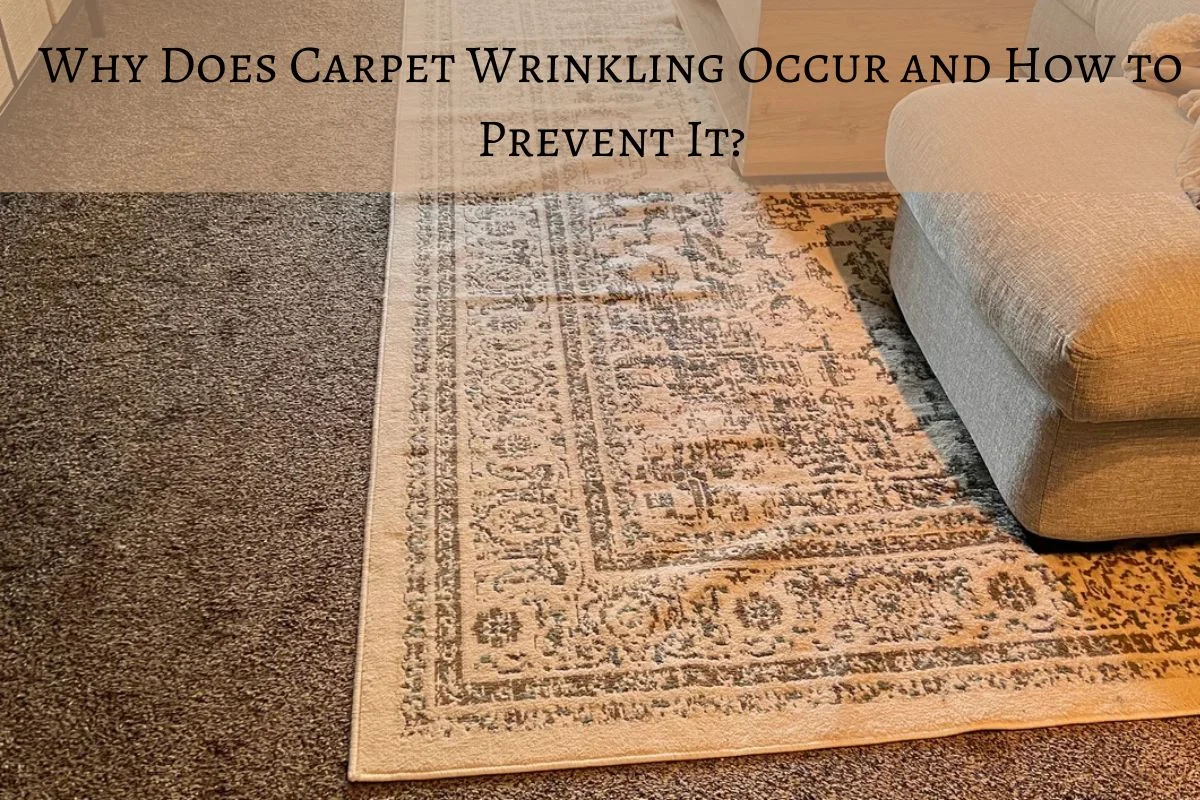
Imagine walking across your living room and feeling a ripple underfoot, or noticing an unsightly wave running across your once-smooth carpet. Carpet wrinkling is more than an aesthetic annoyance—it can create tripping hazards, accelerate fiber wear, and make your home look poorly maintained. Wrinkles often result from improper installation, humidity changes, heavy furniture, or low-quality padding. The good news is that with the right knowledge, you can prevent most causes and fix existing issues. From professional stretching and steam treatments to choosing quality materials and maintaining stable indoor conditions, this guide covers everything you need to keep your carpet smooth, safe, and beautiful for years.
Carpet wrinkling can be an annoying and unsightly issue for homeowners, leading to uneven surfaces and a less-than-polished look. Whether it’s a new installation or a long-standing rug, wrinkles and buckles can appear for various reasons, from poor installation to natural wear and tear. Fortunately, with the right understanding and care, you can prevent carpet wrinkling and maintain a smooth, sleek floor. In this guide, we’ll explore the common causes of carpet wrinkles and share practical tips to keep your carpets looking fresh and flawless for years to come.
Why Does Carpet Wrinkle? Common Causes of Carpet Creases and Buckling
Carpet wrinkling usually develops when the carpet loses tension or moves against the underlying floor. The most common causes are incorrect installation or insufficient stretching, worn or unsuitable padding, repeated movement from heavy furniture, and prolonged traffic in high-use areas. Temperature and humidity changes can also contribute to dimensional movement, particularly when the carpet, backing, or installation conditions are not suitable for the environment.
In Dubai and Abu Dhabi, proper subfloor preparation and professional fitting are especially important for maintaining a flat surface. If existing wrinkles have already developed, professional carpet fixing can address problems such as loose carpet, ripples, and re-stretching rather than simply masking the visible crease.
How to Identify Wrinkles, Ripples, and Creases in Carpet
Wrinkles in carpet usually appear as raised ripples, waves, buckles, or loose sections that were not present when the carpet was originally installed. A useful indication is movement underfoot: if the carpet shifts, forms a ridge, or develops visible waves when walked across, the problem may be related to loss of tension or movement between the carpet and its backing or underlay.
Early inspection is worthwhile because repeated traffic over a loose area can increase wear and make the problem more difficult to correct. For wall-to-wall installations, accurate measurement, appropriate fixing, and correct stretching are essential; the site’s wall-to-wall carpet solutions provide a relevant reference for installations where a smooth, continuous finish is required.
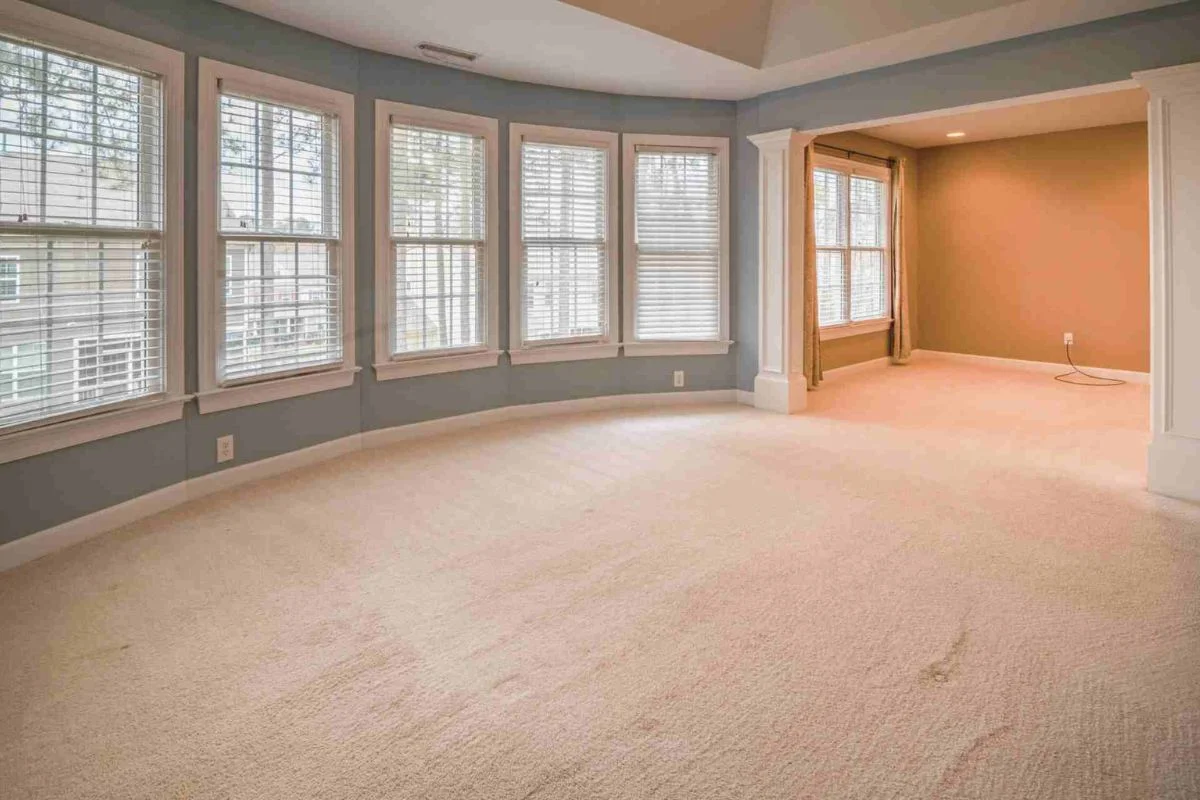
How Wrinkling Affects the Appearance of Your Home
Wrinkles in your carpet can detract from the overall aesthetics of your home. Not only do they create an uneven surface, but they also make the space look untidy and poorly maintained. In high-traffic areas, wrinkling can become more pronounced, making the carpet appear old and worn out. Furthermore, large wrinkles or folds can pose a tripping hazard, especially for children and elderly people. Over time, these creases can cause permanent damage to the fibers, shortening the lifespan of your carpet. Keeping your carpet wrinkle-free is essential for both safety and maintaining your home’s visual appeal.
How to Prevent Carpet Wrinkling
The best way to prevent carpet wrinkling is by ensuring it’s installed correctly. Professional installation is key, as installers can stretch the carpet tightly and secure it properly. Additionally, climate control is important—maintain a stable temperature and humidity to prevent the carpet from expanding or contracting. Choosing high-quality carpets with durable fibers can also reduce the risk of wrinkling. Regular maintenance, such as periodic carpet cleaning and stretching, can help keep your carpet smooth. Lastly, using a high-quality, well-fitted padding beneath the carpet ensures it stays in place and doesn’t shift, preventing wrinkles from forming.
How to Fix Carpet Wrinkles and Carpet Creases Safely
When carpet wrinkles appear, first identify whether the problem is isolated or spread across a larger area and check for obvious movement, loose edges, or problems with the underlying padding. Professional re-stretching is often the appropriate repair for carpet that has become loose, because the installer can release and re-secure the carpet using suitable equipment and correct tension.
Steam or heat should not be treated as a universal fix: the appropriate repair depends on the carpet construction, backing, installation method, and cause of the wrinkle. DIY stretching can also create uneven tension or damage the carpet if performed incorrectly. For broader carpet replacement or installation needs, carpet flooring installation can help when the existing carpet is no longer suitable for repair, while professional carpet fitting and installation explains the installation factors that help prevent future wrinkles.
DIY vs. Professional Solutions
While DIY solutions such as using a carpet stretcher or steam treatment are cost-effective, they may not always yield the best results. If you’re not experienced with carpet stretching, it could worsen the problem. For stubborn wrinkles or larger areas of buckling, it’s best to call in a professional. Professional carpet installers have the tools and expertise to stretch the carpet evenly without causing further damage. They can also identify any underlying issues, such as loose padding or improper installation, and fix them. Consider professional help if the wrinkles persist or worsen after attempting DIY fixes.
How to Keep Your Carpet Smooth After Installation
Maintaining a smooth carpet after installation requires regular care. Begin by avoiding placing heavy furniture or appliances on the carpet until it has settled properly. Moving furniture around periodically can help distribute the pressure and prevent long-term indentation. Regular vacuuming will lift the fibers and keep the carpet looking fresh. It’s also important to clean any spills immediately, as moisture can cause expansion or shifting. Periodic re-stretching may be necessary, especially in high-traffic areas, to ensure that the carpet remains taut and wrinkle-free for years to come.
Dealing with Wrinkling in Area Rugs
Area rugs, particularly larger ones, are more susceptible to wrinkling due to shifting and heavy foot traffic. To prevent this, always use a rug pad underneath to keep the rug in place and reduce the chance of movement. When setting up an area rug, ensure it lies flat and smooth by using double-sided rug tape or rug anchors. For minor wrinkles, try using a steam iron on a low setting, gently steaming the rug’s back to relax the fibers. Avoid folding or rolling the rug for long periods, as this can cause permanent creases.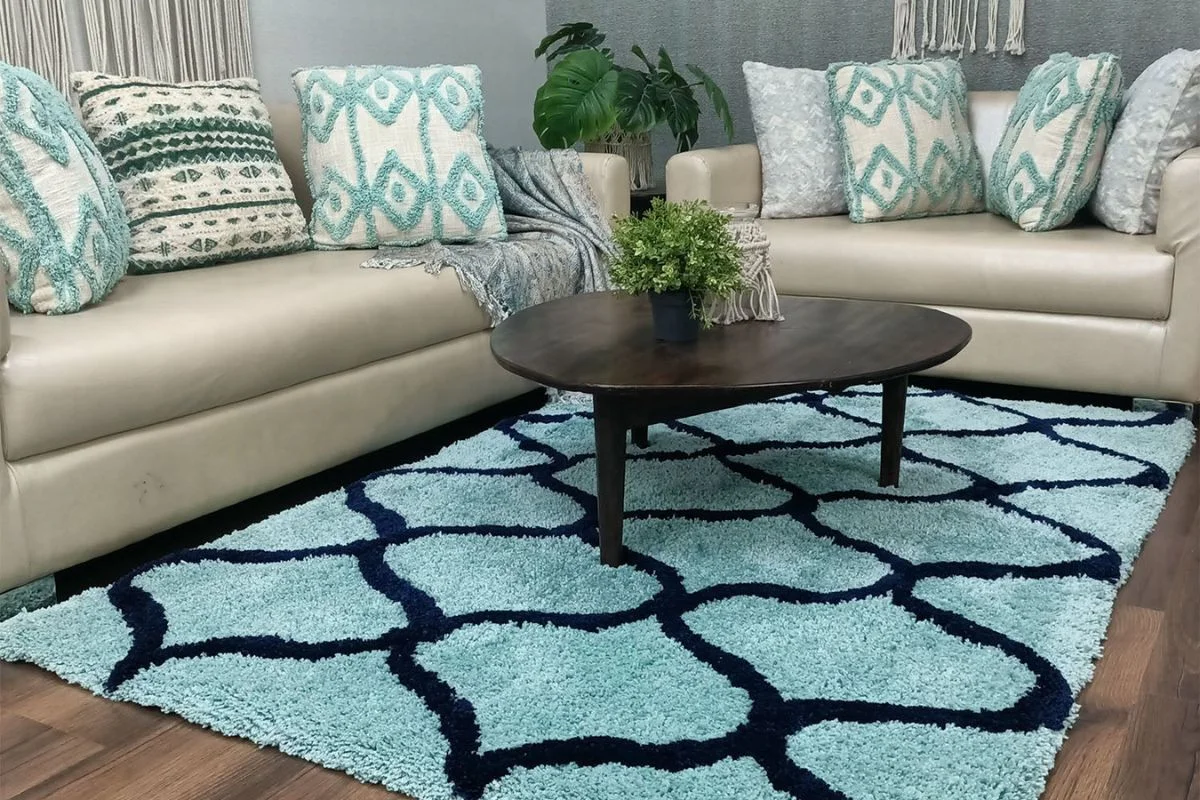
The Impact of Furniture on Carpet Wrinkling
Heavy furniture can contribute significantly to carpet wrinkling by pressing down on the fibers and shifting the carpet. The weight of couches, tables, and large appliances can cause indentations, and over time, these pressure points may lead to wrinkles. To reduce this, consider using furniture coasters or placing furniture on a rug pad. Moving furniture around periodically helps avoid long-term pressure on one spot. Additionally, avoid dragging heavy objects across the carpet, as this can shift the fibers and lead to wrinkles. Regularly check high-traffic areas for any signs of wear or buckling to address issues early.
Preventing Wrinkling in New Carpet Installations
When installing a new carpet, it’s essential to ensure proper stretching and fitting from the start. Professional installers will stretch the carpet tightly across the room and secure it to prevent any future wrinkling. Allow the carpet to settle naturally before placing heavy furniture to prevent the fibers from being compressed unevenly. In the first few weeks after installation, avoid placing large, heavy items directly on the carpet. Additionally, consider keeping the room’s temperature and humidity consistent to avoid expansion or contraction of the fibers. Proper installation and initial care are key to preventing wrinkles in your new carpet.
Conclusion: Keeping Your Carpet Wrinkle-Free
Carpet wrinkling can be a frustrating issue, but with the right care and maintenance, you can prevent and address it effectively. Whether it’s through professional installation, maintaining proper climate conditions, or performing routine upkeep, taking proactive steps ensures your carpets remain smooth and visually appealing for years. While minor wrinkles may be easily fixed with DIY methods, stubborn or widespread issues may require professional attention. By understanding the causes of carpet wrinkling and implementing simple solutions, you can enjoy a beautiful, wrinkle-free carpet that enhances the look and safety of your home.
FAQs
Q1: Why does carpet wrinkle?
A: Carpet commonly wrinkles when it loses tension because of inadequate initial stretching, carpet movement, unsuitable or worn padding, furniture movement, or prolonged traffic. Environmental changes can also contribute in some installations.
Q2: Why does carpet start to wrinkle after installation?
A: New carpet can develop wrinkles if it was not stretched and secured correctly, if the installation conditions were unsuitable, or if the backing and padding are not working properly together.
Q3: What causes carpet creases and ripples?
A: Carpet creases and ripples can result from loose installation, movement over the subfloor, degraded padding, furniture movement, or repeated traffic. The underlying cause should be identified before attempting a repair.
Q4: Are wrinkles in carpet dangerous?
A: Large ripples and raised sections can create a tripping hazard. They should be corrected promptly, especially in homes with children, older adults, or high-traffic walkways.
Q5: Can humidity cause carpet wrinkling?
A: Changes in humidity can contribute to carpet movement in some materials and installations, but humidity is not always the primary cause. Installation quality, backing, padding, and tension should also be assessed.
Q6: Can carpet wrinkles be fixed without replacing the carpet?
A: Often, yes. If the carpet itself is still in good condition, professional re-stretching and re-securing may restore a flat surface. Replacement may be necessary when the carpet or backing is severely damaged.
Q7: Can I fix carpet wrinkles myself?
A: Minor issues may appear manageable, but professional stretching is safer for significant wrinkles. Incorrect DIY stretching can create uneven tension, damage the backing, or leave additional ripples.
Q8: Does carpet padding cause wrinkles?
A: It can contribute if the padding is unsuitable, badly fitted, excessively soft, damaged, or has shifted. Padding should be checked when wrinkles repeatedly return after stretching.
Q9: How can I prevent carpet from wrinkling?
A: Use appropriate padding, have the carpet professionally measured and stretched, prepare the subfloor correctly, avoid unnecessary dragging of heavy furniture, and address loose areas before they become extensive.
Q10: When should I call a professional for carpet wrinkling in Abu Dhabi or Dubai?
A: Contact a professional when wrinkles cover a large area, repeatedly return after stretching, appear shortly after installation, or are accompanied by loose edges, damaged backing, or significant buckling.